TEL:+86 132 6656 7067




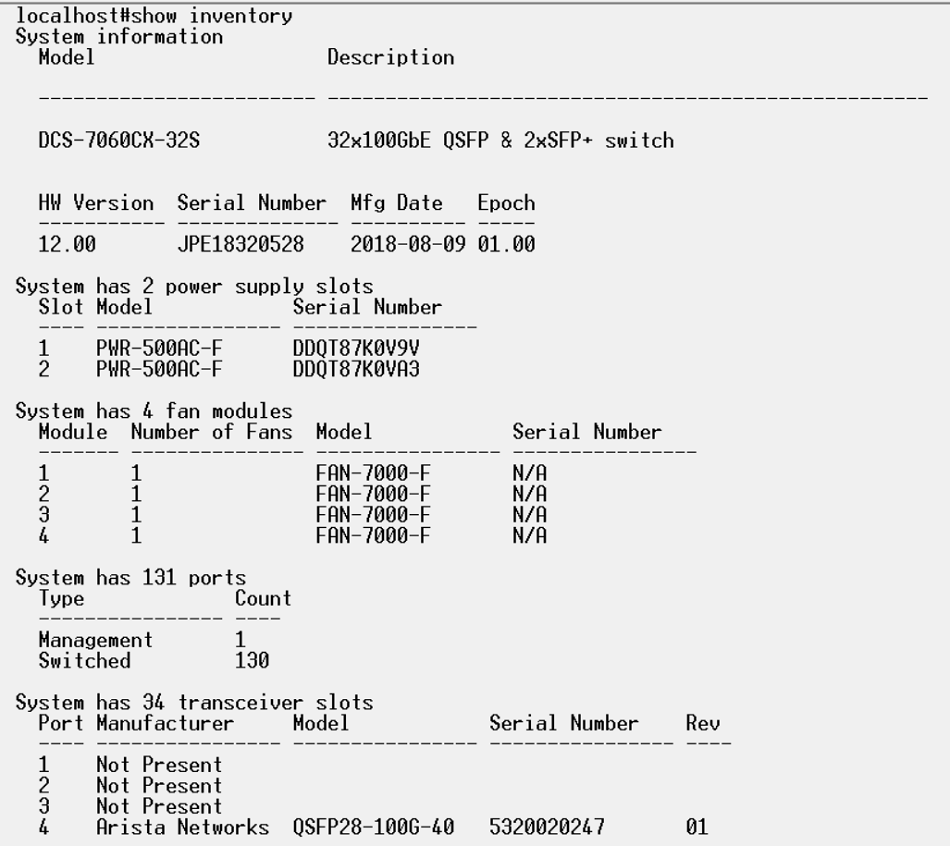
Model number of Testing Switch:arista 7060
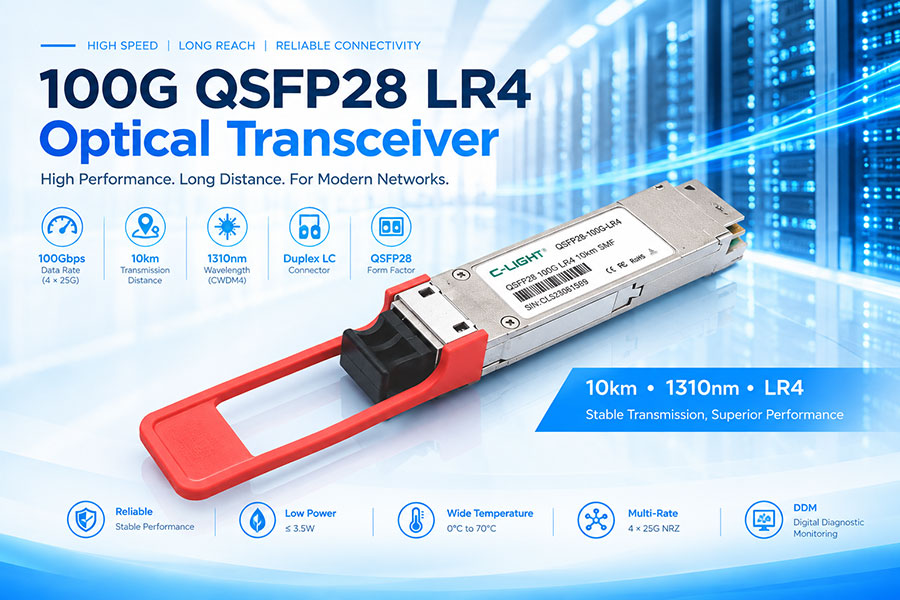
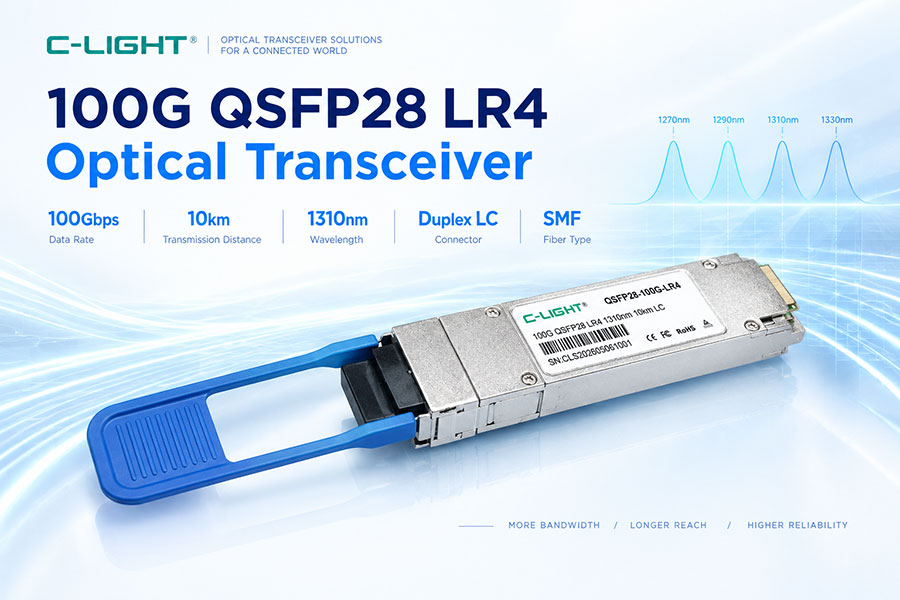
Module Part number:QSFP28-100G-LR4 40KM

Identification information of Module on the switch:
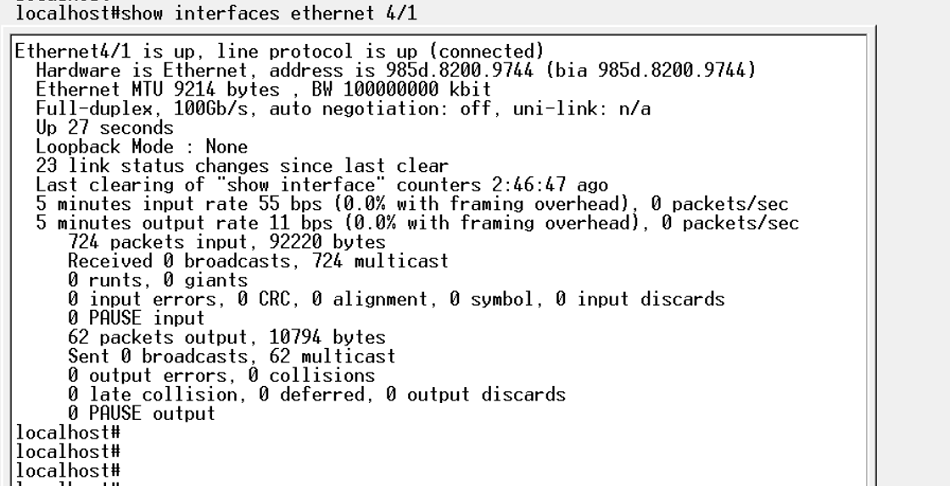
Interface’s link information:
100G QSFP28 ER4 40km Optical Transceiver Testing FAQ
Q1: What is a 100G QSFP28 ER4 40km optical transceiver?
Answer: A 100G QSFP28 ER4 40km optical transceiver is a long-distance 100Gbps optical module designed for high-performance fiber communication networks.
It uses:
QSFP28 form factor
4×25G NRZ electrical lanes
LAN-WDM optical technology
Single-mode fiber transmission
The module supports up to 40km transmission distance and is designed for applications requiring longer reach than standard 10km 100G solutions.
Typical applications include:
Data Center Interconnect (DCI)
Metropolitan Area Networks (MAN)
Enterprise backbone networks
Telecom infrastructure
Q2: Why is interoperability testing important for 100G optical transceivers?
Answer: Interoperability testing ensures that optical modules can operate reliably with different network equipment platforms.
Before deployment, engineers usually verify:
Module recognition
Link establishment
Signal stability
Optical power levels
Network performance
For third-party optical modules, compatibility testing with switches is especially important because different vendors may have different firmware, coding requirements, and interface configurations.
Successful interoperability testing helps reduce deployment risks and improves network reliability.
Q3: Why was the 100G transceiver tested on the Arista 7060 switch platform?
Answer: The Arista 7060 series is widely used in high-performance data center environments with support for high-speed Ethernet connectivity.
Testing the 100G optical transceiver on an Arista 7060 platform demonstrates:
Hardware compatibility
Stable optical communication
Proper module identification
Reliable 100G link performance
Such validation provides customers with confidence when deploying optical modules in multi-vendor networking environments.
Q4: How does a 100G QSFP28 ER4 optical module achieve 40km transmission?
Answer: A 100G QSFP28 ER4 module achieves long-distance transmission through advanced optical design.
The key technologies include:
Four optical transmission lanes
LAN-WDM wavelength multiplexing
High-sensitivity APD receivers
Single-mode fiber communication
Each lane carries 25Gbps data, and the four channels are combined to deliver a total 100Gbps transmission rate.
This architecture enables reliable long-distance connectivity while maintaining QSFP28 compact packaging.
Q5: What parameters are typically tested during 100G optical module validation?
Answer: A complete 100G optical transceiver validation process usually includes several key performance checks:
Electrical Testing
Interface communication
Signal integrity
Data transmission stability
Optical Testing
Transmit optical power
Receive sensitivity
Wavelength accuracy
Optical power budget
System Compatibility Testing
Switch recognition
Link activation
Long-term operation stability
These tests ensure the module meets performance requirements before commercial deployment.
Q6: What are the applications of 100G QSFP28 ER4 40km optical transceivers?
Answer: 100G QSFP28 ER4 40km optical modules are mainly used in networks requiring extended transmission distance.
Common applications include:
Data Center Interconnect (DCI)
Connecting geographically separated data centers.
Metro Networks
Supporting high-bandwidth communication between network locations.
Enterprise Core Networks
Providing high-speed backbone connectivity.
Telecom Networks
Supporting long-distance optical transport applications.
The 40km reach provides a balance between transmission distance, performance, and deployment cost.
Q7: What is the difference between 100G LR4 and 100G ER4 optical transceivers?
Answer: The main difference between 100G LR4 and ER4 is transmission distance.
| Feature | 100G LR4 | 100G ER4 |
| Transmission Distance | Up to 10km | Up to 40km |
| Application | Data center links | Long-distance interconnect |
| Optical Budget | Lower | Higher |
| Typical Usage | Campus/DC links | DCI and metro networks |
100G LR4 is suitable for shorter optical connections, while 100G ER4 is designed for extended-reach applications requiring longer fiber transmission.
Q8: Why are 100G long-distance optical modules still important in modern networks?
Answer: Although 400G and 800G technologies are rapidly growing, 100G long-distance optical modules remain important for many network environments.
Reasons include:
Existing 100G infrastructure
Cost-effective network upgrades
Long-distance connectivity requirements
Compatibility with installed systems
100G ER4 solutions continue providing reliable connectivity for:
Metro networks
Enterprise backbone networks
Data center interconnect applications
They remain an important transition technology as networks evolve toward higher speeds.
 >
>

 >
>
 >
>
 >
>
 >
>
 >
>
 >
>
 >
>