TEL:+86 132 6656 7067




With the rapid growth of artificial intelligence (AI), cloud computing, big data, and high-performance computing, data center hardware has become the foundation of modern digital infrastructure.
A modern data center is no longer only a collection of servers and storage devices. It is a highly integrated system that combines computing hardware, networking equipment, optical interconnects, power systems, cooling solutions, and intelligent management platforms.
As AI workloads continue increasing, next-generation data centers require higher computing density, faster network connectivity, and more efficient hardware architectures to support large-scale AI models and distributed computing systems.
1. What Is Data Center Hardware?
Data center hardware refers to the physical equipment used to build, operate, and maintain data center infrastructure. It includes computing systems, network devices, storage systems, power equipment, cooling solutions, and optical communication components.
The main purpose of data center hardware is to provide reliable, scalable, and high-performance infrastructure for applications such as:
Cloud computing services
Artificial intelligence workloads
Enterprise applications
Internet services
High-performance computing
2. Main Components of Data Center Hardware
2.1 Servers and Computing Hardware
Servers are the core computing units of a data center. They provide processing power for applications, databases, AI training, and virtualization environments.
Traditional data centers mainly rely on CPU-based servers. However, AI and machine learning applications are driving the adoption of GPU and accelerator-based systems.
Modern AI servers typically include:
High-performance CPUs
GPU accelerators
AI processors
High-speed memory systems
Advanced cooling solutions
2.2 Data Center Storage Systems
Storage hardware provides high-capacity data storage and fast access capabilities.
Common storage technologies include:
Hard Disk Drives (HDD)
Solid State Drives (SSD)
NVMe Storage
Distributed Storage Systems
AI applications require extremely high-speed storage systems to handle massive datasets and continuous data processing.
2.3 Data Center Network Hardware
Network hardware connects servers, storage systems, and external networks. It plays a critical role in determining overall data center performance.
Major networking equipment includes:
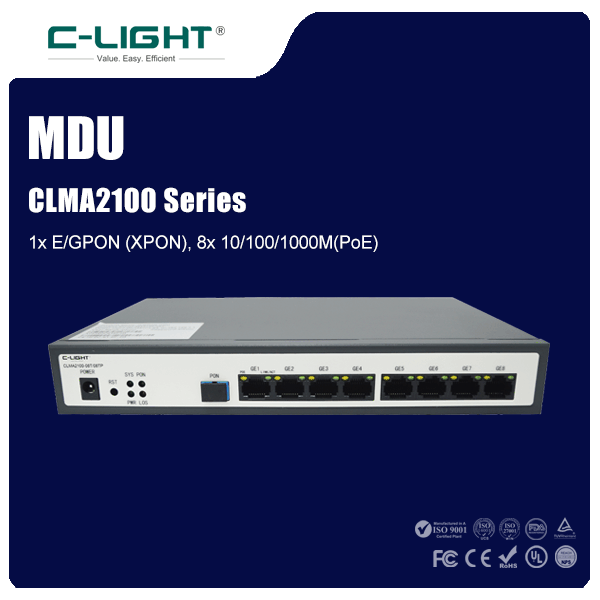
Data center switches
Routers
Network interface cards (NIC)
Load balancers
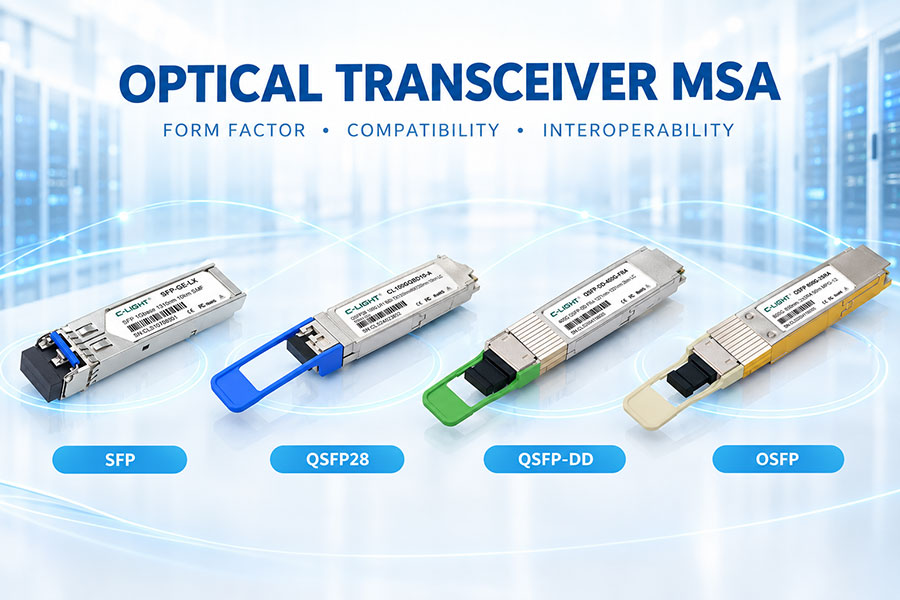
Optical transceivers
3. Optical Interconnect Hardware in Data Centers
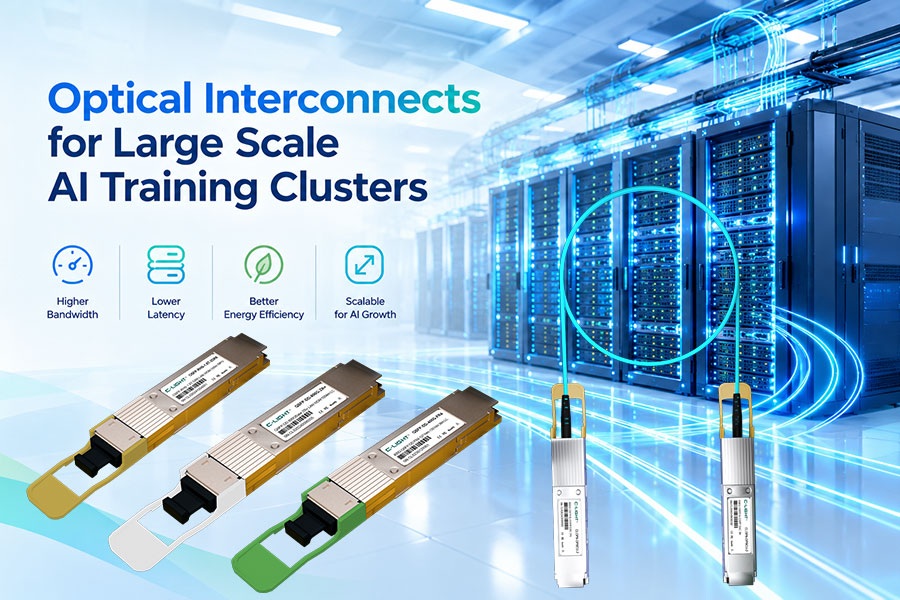
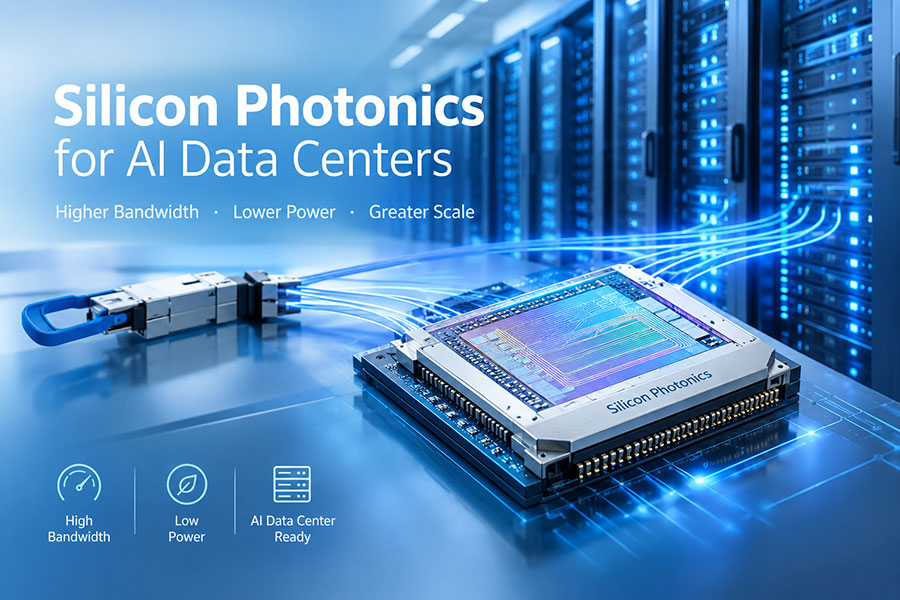
As data center bandwidth requirements continue increasing, optical interconnect has become one of the most important hardware components.
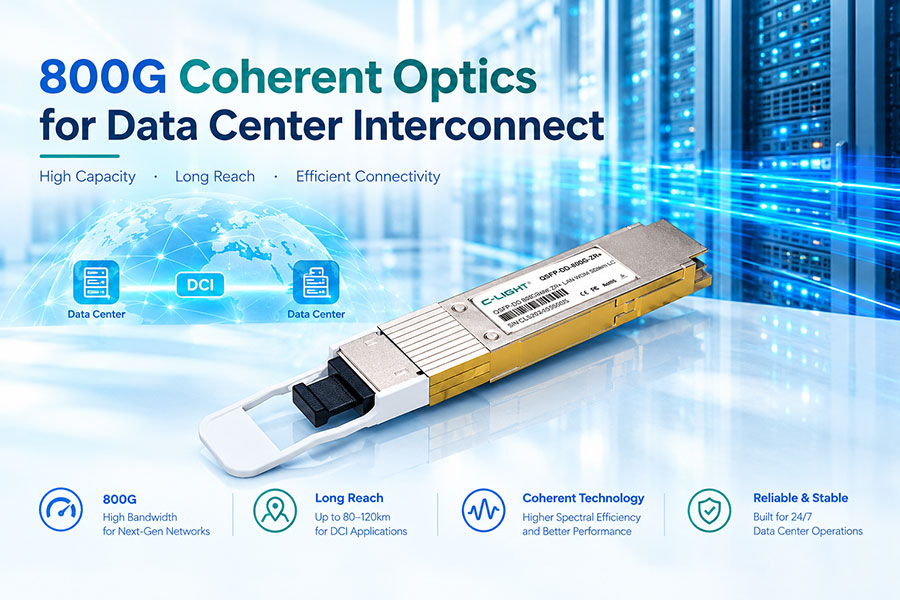
High-speed optical modules enable communication between:
Server to switch
Switch to switch
Data center to data center
AI GPU clusters
3.1 Evolution of Data Center Optical Modules
The development of optical interconnect technology is moving from lower-speed solutions toward higher bandwidth systems.
100G Optical Modules
200G Optical Modules
400G Optical Modules
800G Optical Modules
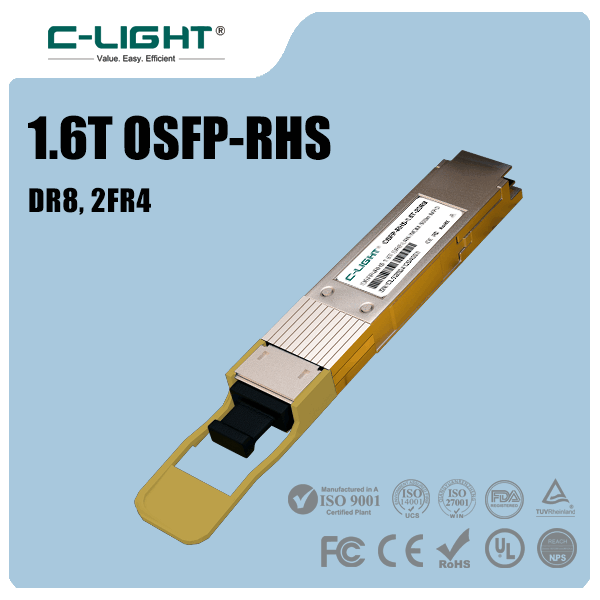
1.6T Optical Modules
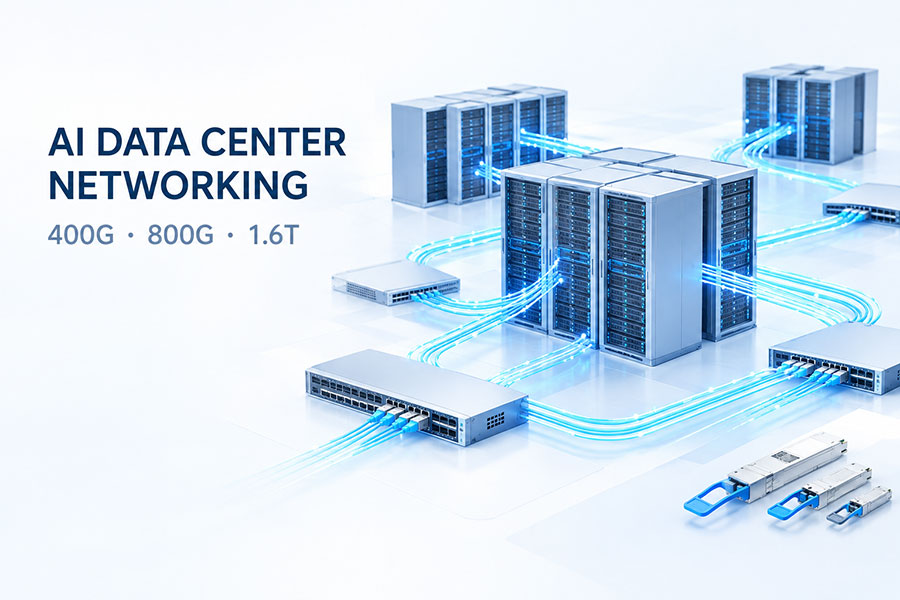
AI data centers are accelerating the adoption of 800G and 1.6T optical solutions due to increasing GPU cluster communication requirements.
3.2 Optical Interconnect Products
Common optical hardware solutions include:
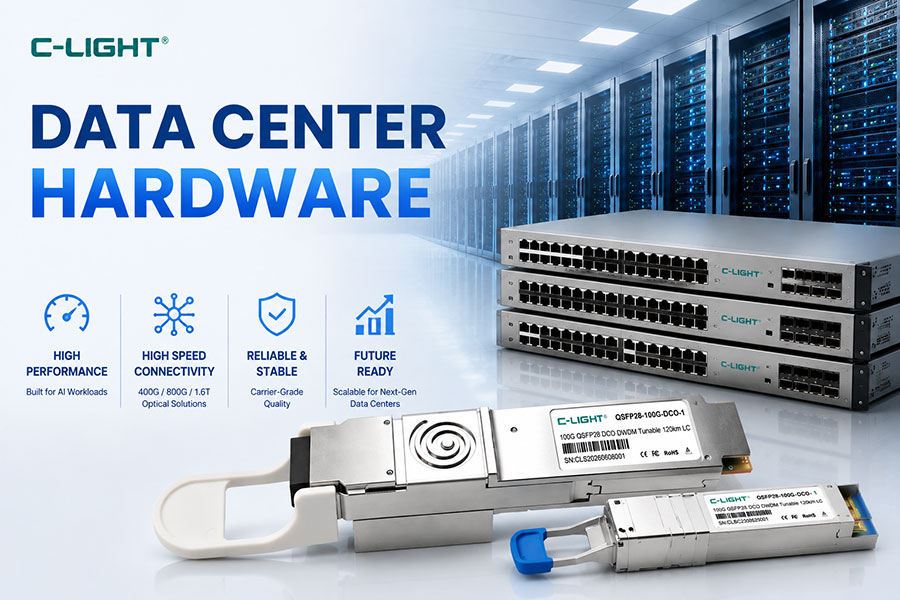
Optical Transceivers
DAC (Direct Attach Cable)
AOC (Active Optical Cable)
AEC (Active Electrical Cable)
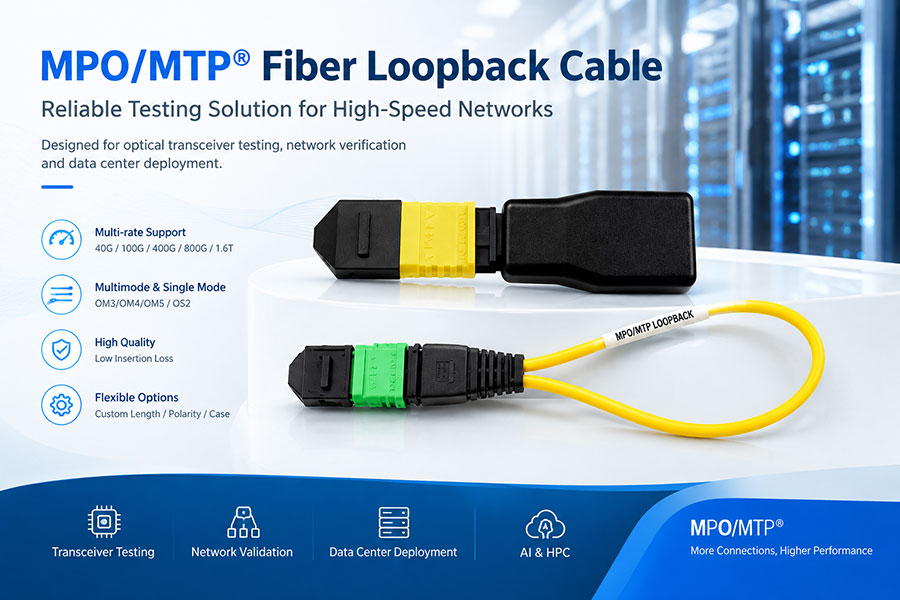
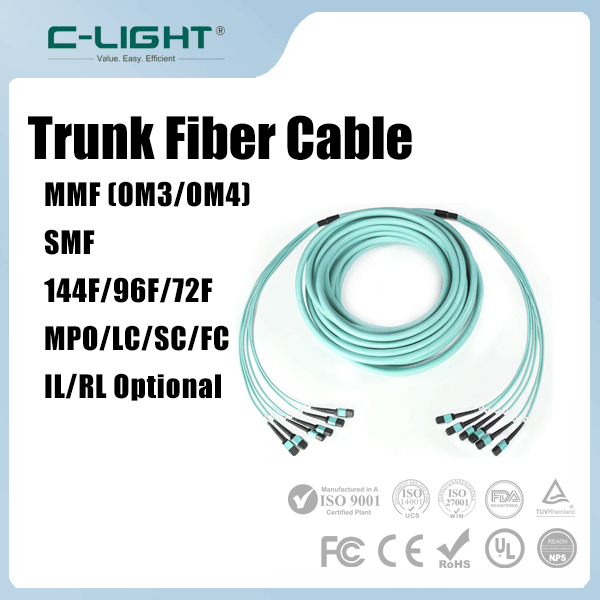
MPO/MTP Fiber Connectivity
4. AI Data Center Hardware Requirements
4.1 Higher Computing Density
AI workloads require significantly more computing resources compared with traditional applications.
Modern AI data centers are designed with:
Large-scale GPU clusters
High-speed accelerator networks
Advanced power systems
High-density server racks
4.2 Higher Network Bandwidth
AI training requires continuous data exchange between thousands of GPUs. Network bottlenecks can significantly reduce system efficiency.
Therefore, AI data centers require:
400G Ethernet
800G Ethernet
Low-latency optical connections
High-density switching architectures
4.3 Advanced Cooling Hardware
Increasing hardware density creates higher thermal challenges.
Modern cooling solutions include:
Air cooling
Cold plate liquid cooling
Immersion cooling
5. Data Center Hardware Architecture
5.1 Traditional Data Center Architecture
Traditional data centers usually follow a three-layer network architecture:
Core layer
Aggregation layer
Access layer
5.2 Modern AI Data Center Architecture
AI data centers are moving toward flatter and faster network architectures.
Typical AI infrastructure includes:
GPU computing clusters
High-performance switches
Optical interconnect networks
Advanced storage systems
6. Key Trends in Data Center Hardware Market
6.1 AI Driving Data Center Hardware Growth
The rapid expansion of generative AI is one of the biggest drivers of data center hardware investment.
AI applications require:
More powerful processors
Higher bandwidth networks
Faster optical connections
Improved energy efficiency
6.2 Transition Toward Higher-Speed Networking
Data center networking is evolving from 100G and 400G toward 800G and 1.6T solutions.
Higher-speed optical hardware will become essential for future AI infrastructure.
6.3 Energy Efficiency Optimization
Power consumption has become a major challenge for large-scale data centers.
Future hardware development focuses on:
Lower power processors
Efficient optical modules
Advanced cooling technologies
Smart power management
7. Challenges of Modern Data Center Hardware
7.1 Increasing Power Consumption
High-performance computing systems require significantly more power, creating challenges for infrastructure design.
7.2 Thermal Management
Higher rack density requires advanced cooling technologies to maintain system reliability.
7.3 Hardware Scalability
Data centers must support future upgrades from 400G to 800G and 1.6T networking without major infrastructure replacement.
8. Future Development of Data Center Hardware
The future data center will become more intelligent, efficient, and highly interconnected.
Major development directions include:
AI optimized infrastructure
Higher-speed optical networking
Advanced semiconductor technologies
Liquid cooling systems
Intelligent operation management
9. C-LIGHT Optical Connectivity Solutions for Data Centers
C-LIGHT provides advanced optical connectivity products designed for modern data center infrastructure.
400G Optical Transceivers
800G Optical Transceivers
1.6T Optical Interconnect Solutions
DAC / AOC / AEC High-Speed Cables
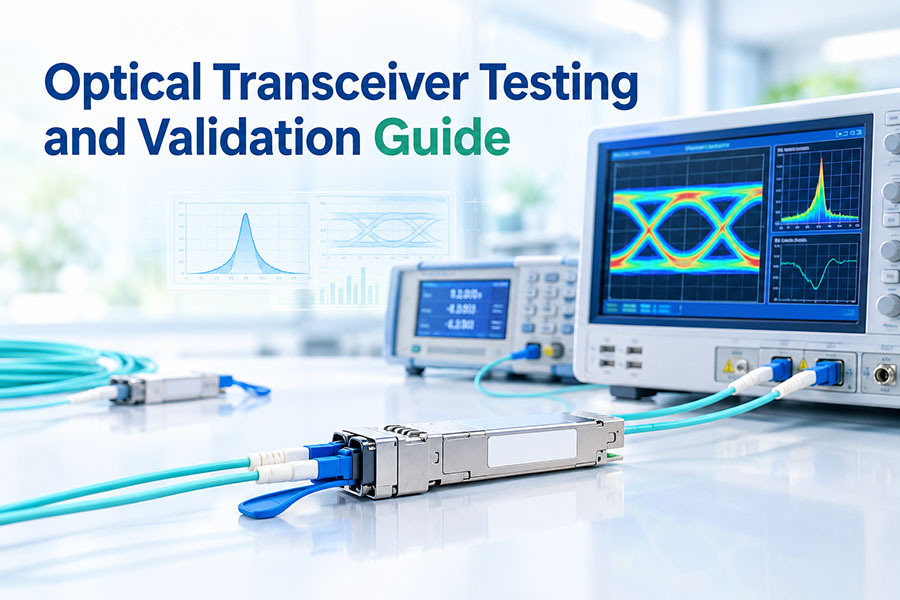
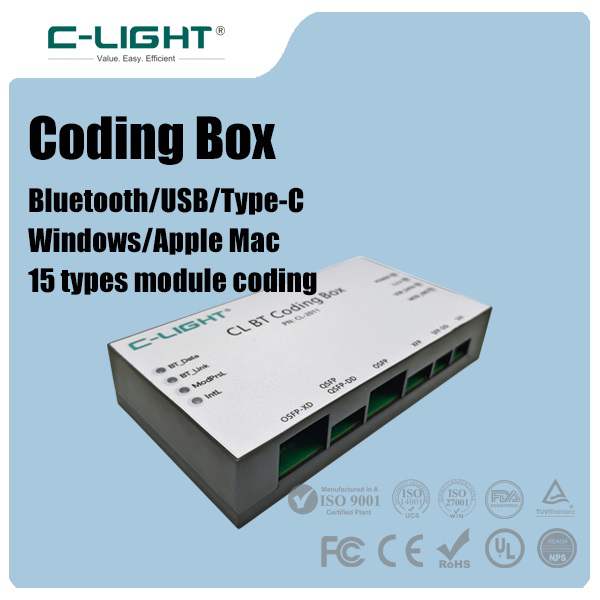
Optical Testing Solutions
C-LIGHT solutions help data centers achieve higher bandwidth, lower latency, and reliable optical connectivity for next-generation AI infrastructure.
10. Conclusion: Data Center Hardware Enables the Future Digital Infrastructure
Data center hardware is the foundation of modern digital services. With the rapid growth of AI, cloud computing, and high-performance applications, hardware systems are evolving toward higher performance, greater integration, and improved efficiency.
From computing systems and storage devices to high-speed optical interconnects, every component plays an important role in building future data centers.
As AI workloads continue expanding, advanced data center hardware solutions will become essential for supporting the next generation of intelligent computing infrastructure.
11.FAQ: Data Center Hardware
Q1: What is data center hardware?
Answer: Data center hardware includes physical equipment such as servers, storage systems, networking devices, optical modules, power systems, and cooling solutions used to build data centers.
Q2: What are the main components of a data center?
Answer: The main components include servers, storage, switches, optical interconnects, power systems, and cooling infrastructure.
Q3: Why is optical connectivity important in data centers?
Answer: Optical connectivity provides high bandwidth, low latency, and long-distance transmission required by modern cloud and AI data centers.
Q4: What optical speeds are used in modern data centers?
Answer: Modern data centers are moving from 400G to 800G and 1.6T optical networking solutions.
Q5: How does AI affect data center hardware development?
Answer: AI increases demand for higher computing power, faster networking, advanced cooling, and high-speed optical interconnect solutions.
 >
>

 >
>
 >
>
 >
>
 >
>
 >
>
 >
>
 >
>