TEL:+86 158 1857 3751





Introduction
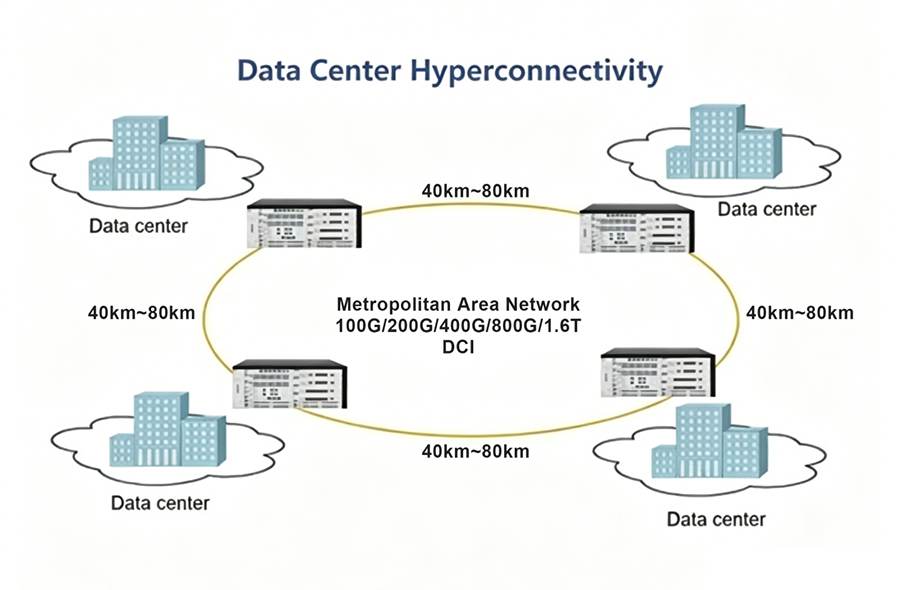
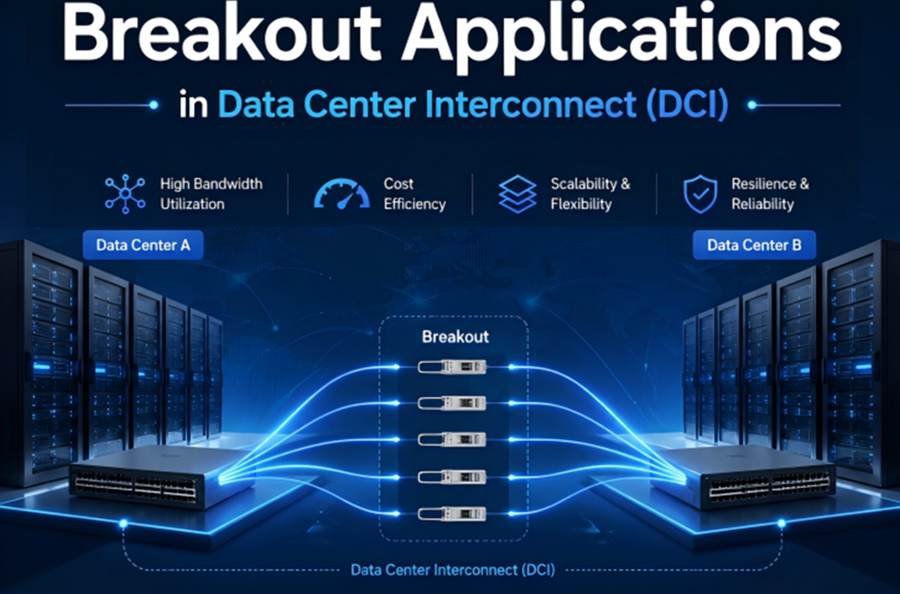
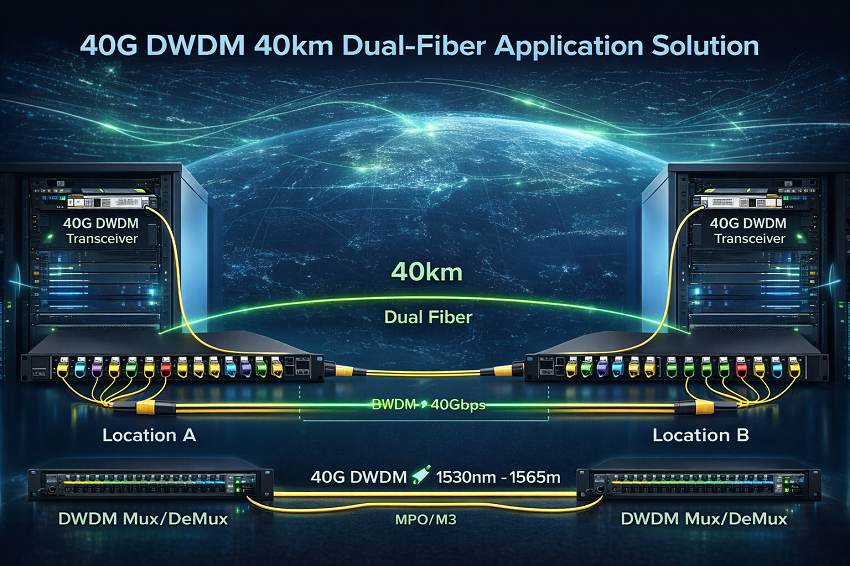
Data Center Interconnect (DCI) is used to connect geographically dispersed data centers, supporting core services such as cloud computing, AI computing power, and distributed storage. As data traffic continues to grow, digital coherent optical modules (DCOs) and other long-reach (40 km–80 km) high-speed optical modules have become key technological foundations in modern DCI architectures.
Overview of DCI Architecture
DCI networks typically cover metropolitan, regional, and long-haul scenarios, relying on DWDM and coherent optical technologies to achieve high-capacity transmission. The current mainstream trend is the adoption of IPoDWDM (IP over DWDM) architecture, where routers or switches are directly connected to the optical network through pluggable DCO modules, enabling network flattening.
Overview of DCO Module Technology
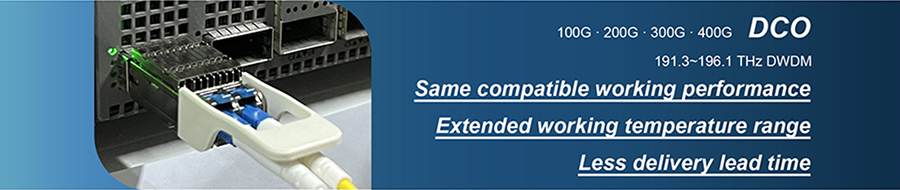
C-LIGHT DCO modules CL400GQDDZR+ HP and CL100GQDDZR+ HP integrate DSP chips, coherent modulation technology, and optical components into highly compact pluggable packages, offering the following advantages:
●Multiple high-speed applications: 100G/200G/300G/400G/800G/1.6T
●Compatibility with mainstream switch and router platforms from various vendors
●DWDM wavelength tunability with presettable wavelengths
●Adjustable transmit optical power
●Long-reach transmission from 40 km to 1000 km
●Strong resistance to dispersion and noise
●Miniaturized, pluggable design
Therefore, DCO modules are an ideal choice for high-performance DCI scenarios.
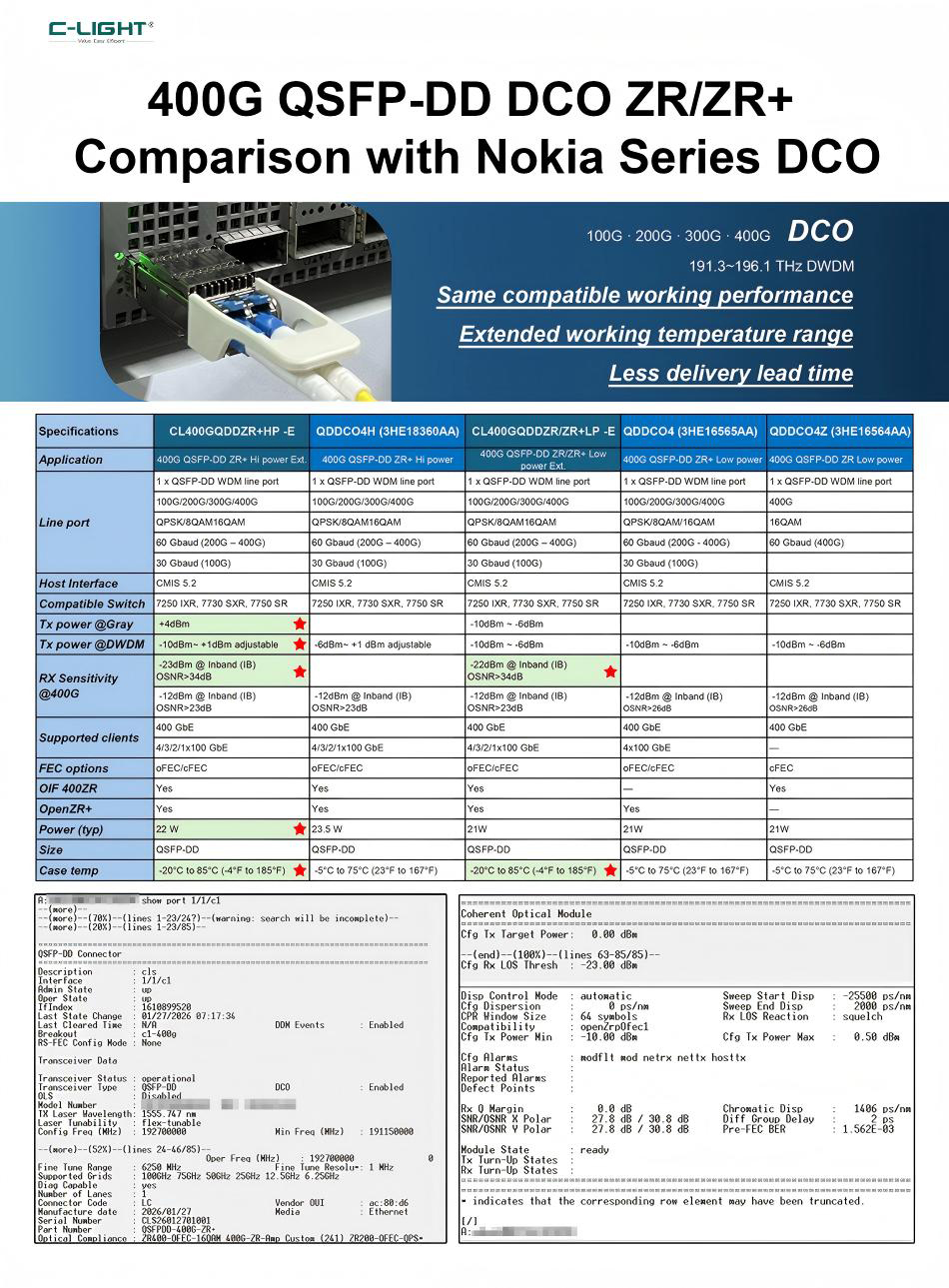
Below is a comparison of core performance between the C-LIGHT 400G DCO ZR+ module and a Nokia-branded module. You will find that the application performance of the two brands’ modules is almost identical. C-LIGHT has advantages in the areas marked with red stars.
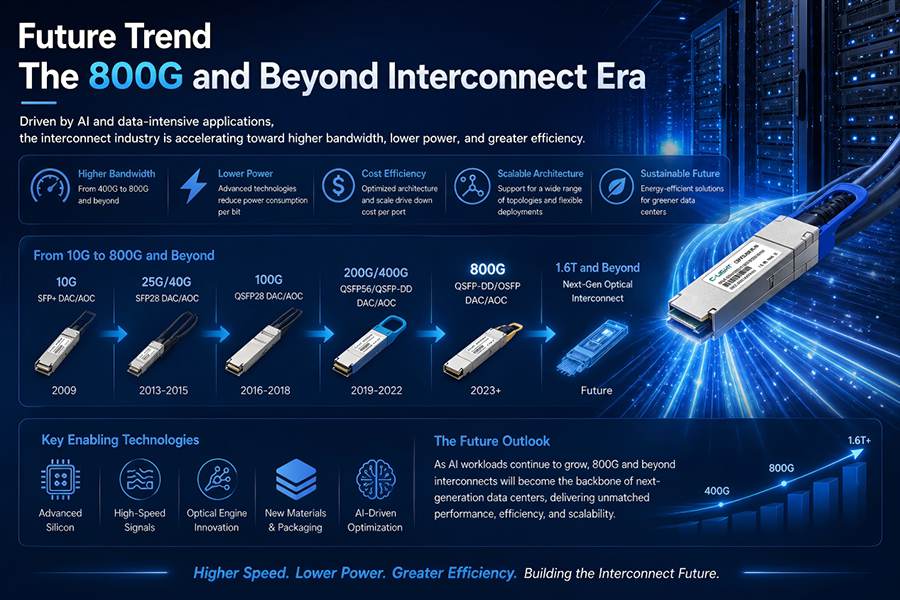
DCO Module Rate Evolution (400G → 800G → 1.6T)
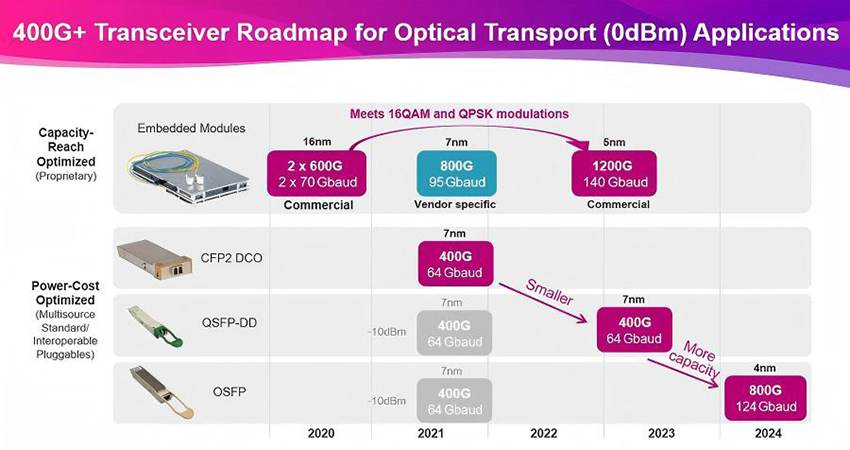
●DCO modules are rapidly evolving toward higher speeds:
●100G DCO ZR+ CL100GQDDZR+: a new market growth point
●400G DCO ZR+: already deployed at large scale
●800G DCO ZR+: serving as a transitional market application
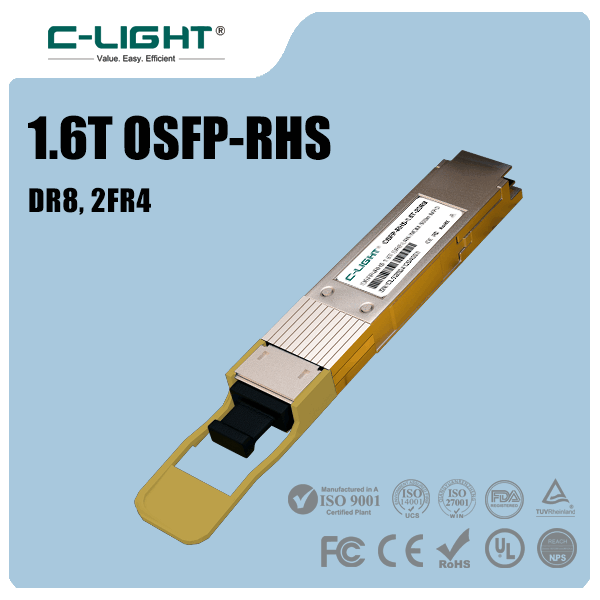
●1.6T DCO ZR+: the next-generation development direction
This trend is primarily driven by the explosive growth of AI computing clusters and cloud service traffic.
QSFP-DD Pluggable Coherent Optical Modules and Deployment Modes
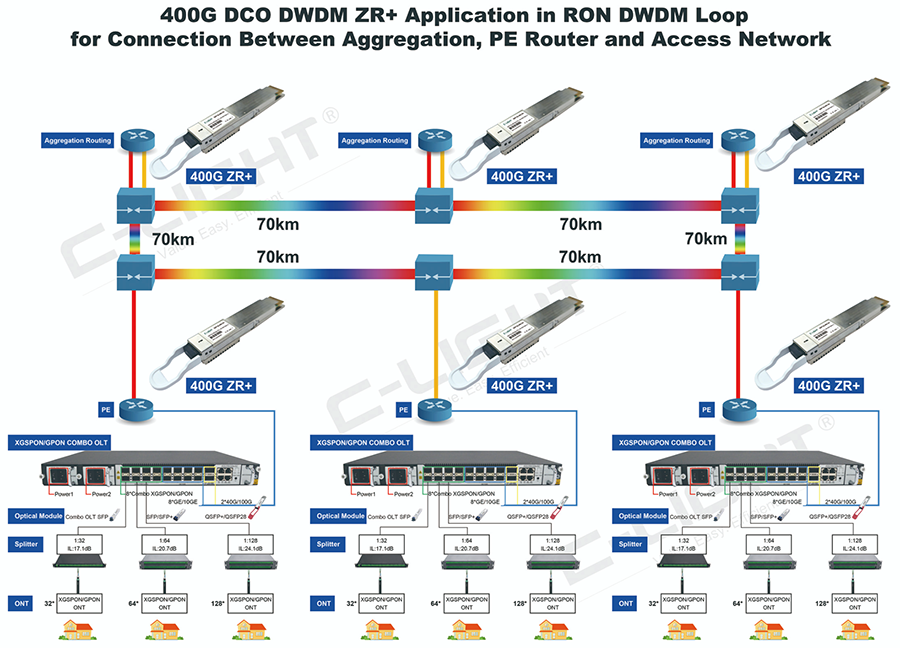
Pluggable coherent modules represented by QSFP-DD DCO CL400GQDDZR+ HP and QSFP28 DCO CL100GQDDZR+ HP are gradually replacing traditional standalone transponder equipment.
Core advantages:
●Reduce CapEx and OpEx
●Simplify network architecture
●Improve scalability
●Support multi-vendor interoperability
This trend is driving DCI toward greater flexibility and efficiency.
Future Development Outlook
The future development of DCO modules will exhibit the following trends:
●Ultra-high-speed evolution: moving toward 1.6T and higher bandwidth
●Green and energy-efficient: low-power optical networks become a core competitiveness
●Intelligent O&M: AI-driven network optimization and automation
●Open and decoupled: software-defined and open optical network ecosystems
DCO modules will evolve from pure transmission devices into intelligent, programmable core units of optical networks.
Conclusion
DCO modules are reshaping the DCI technology framework, enabling higher bandwidth, longer distances, and more flexible interconnections between data centers. With the evolution from 400G to 800G and then to 1.6T, along with the convergence of silicon photonics, AI, and open networking technologies, DCO will continue to play a critical role in future data center infrastructure.
 >
>

 >
>
 >
>
 >
>
 >
>
 >
>