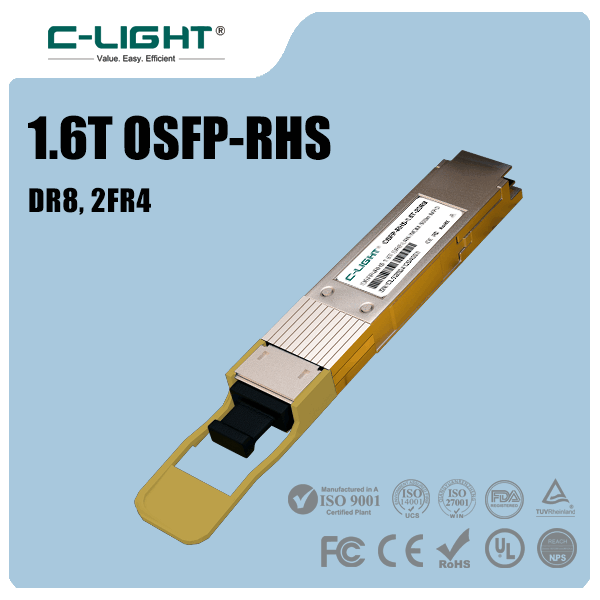
1.6T OSFP vs 800G OSFP explained in detail, covering electrical lane rates, PAM4 signaling, optical architectures, thermal requirements, power consumption, breakout capabilities, compatibility, and AI data center applications.
PAM4 vs NRZ explained in detail, covering modulation levels, data rate, bandwidth, signal integrity, BER, optical power, FEC, link reach, and applications in high-speed optical networks.
NPO vs LPO explained in detail, covering optical engine placement, electrical signal distance, DSP architecture, power consumption, latency, thermal management, serviceability, scalability, and AI data center applications.
LPO vs LRO explained in detail, covering DSP architecture, transmit and receive paths, power consumption, latency, signal integrity, reach, interoperability, 800G and 1.6T applications, and AI data center deployment.
NPO vs CPO explained in detail, covering optical engine placement, electrical reach, power consumption, latency, thermal design, serviceability, manufacturing, scalability, and applications in 800G, 1.6T and future AI data center networks.
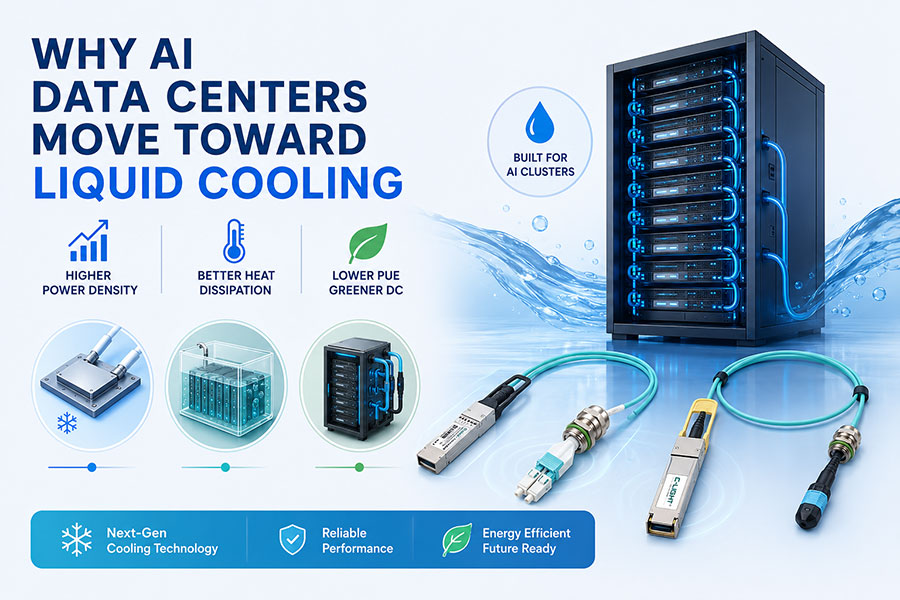
Learn the differences between Liquid Cooling DAC and Liquid Cooling AOC, including features, advantages, transmission distance, and AI data center applications for GPU clusters, HPC, and 800G/1.6T high-speed interconnects.
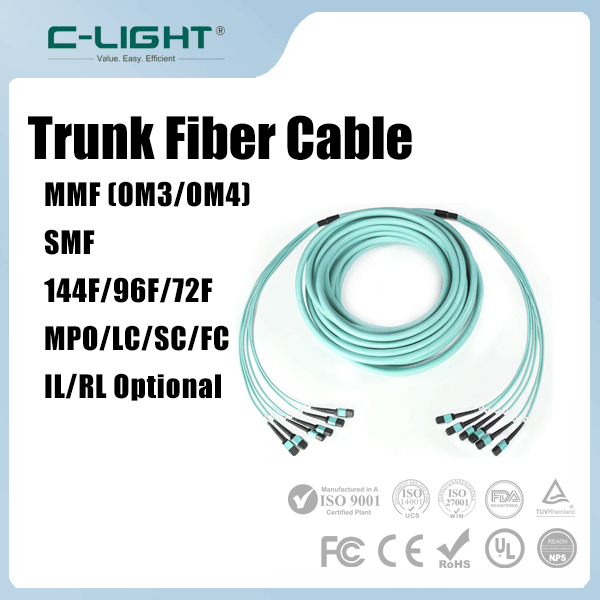
SMF vs MMF explained in detail, covering core size, transmission distance, bandwidth, wavelength, attenuation, dispersion, optical transceivers, connectors, cost, and data center applications.
OS2 vs OM3 explained in detail, covering fiber type, core size, wavelength, attenuation, modal bandwidth, transmission distance, optical transceivers, connectors, cost, and data center applications.