TEL:+86 132 6656 7067




1. The AI Era Has Arrived—Telecom Operators Stand at a New Crossroads
Over the past two decades, the Internet transformed the communications industry.
Over the next two decades, artificial intelligence (AI) will redefine the entire digital world.
From ChatGPT, Gemini, and Claude to autonomous driving, humanoid robots, AI agents, and enterprise foundation models, the world is entering an unprecedented wave of AI infrastructure investment.
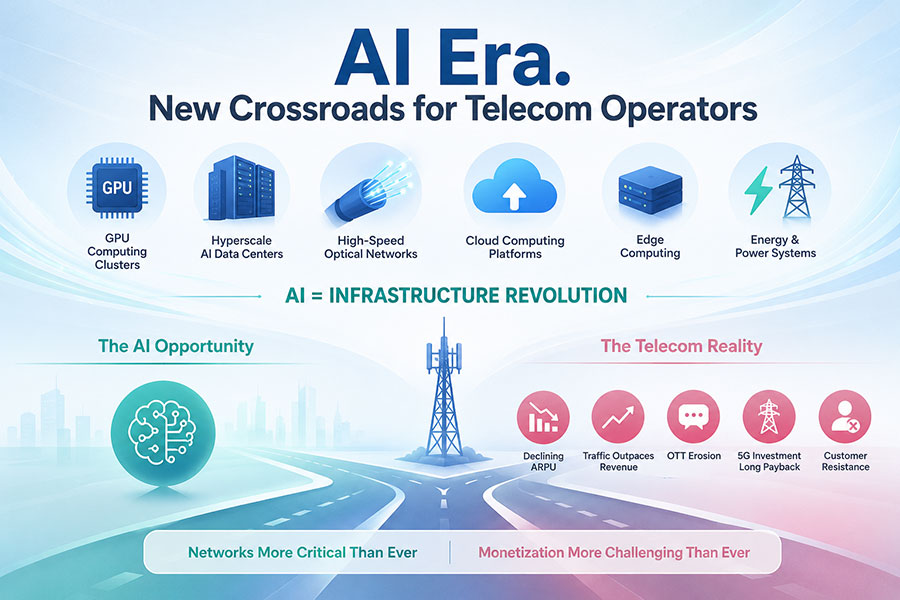
According to IDC, the global AI market is expected to reach several trillion dollars by 2030. However, the true foundation of AI is not the models themselves, but the infrastructure that powers them:
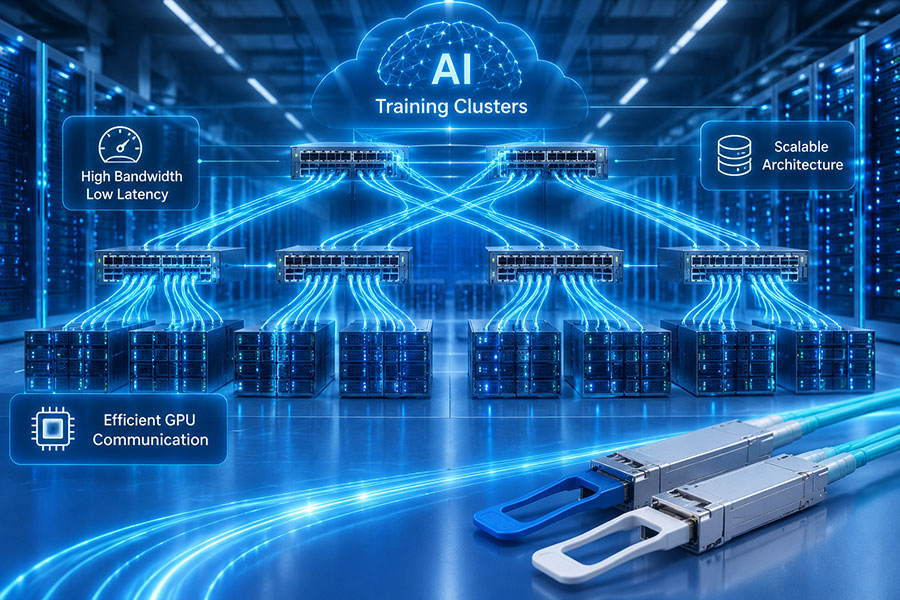
GPU computing clusters
Hyperscale AI data centers
High-speed optical networks
Cloud computing platforms
Edge computing
Energy and power systems
In essence, AI represents an infrastructure revolution.
Telecom operators occupy one of the most strategic positions within this transformation.
However, the reality is far from optimistic.
Traditional telecom operators worldwide are facing common challenges:
Declining Average Revenue Per User (ARPU)
Network traffic growing much faster than revenue
OTT platforms such as WhatsApp, WeChat, Netflix, and TikTok eroding traditional telecom services
Massive 5G investments with long return cycles
Increasing customer resistance to paying more for connectivity
In short:
Networks are becoming more critical than ever, while monetizing them is becoming increasingly difficult.
2. The Biggest Threat Is Not AI—It's Becoming a "Bit Pipe"
The telecom industry has long discussed the concept of operators becoming nothing more than a "Bit Pipe."
What does this mean?
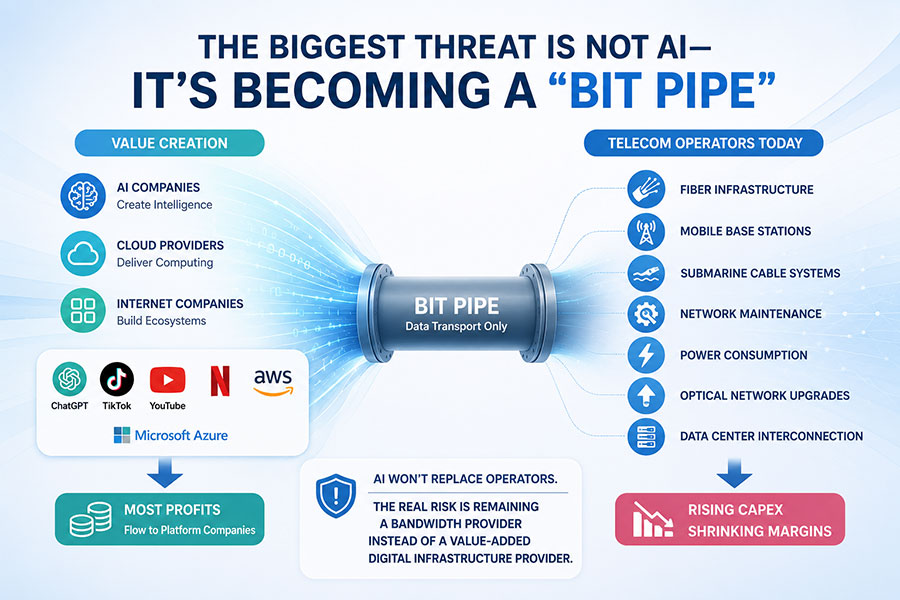
Internet companies create ecosystems.
AI companies create intelligence.
Cloud providers deliver computing platforms.
Telecom operators merely transport data.
Every day, users interact with:
ChatGPT
TikTok
YouTube
Netflix
AWS
Microsoft Azure
Most profits flow toward platform companies.
Meanwhile, telecom operators continue investing in:
Fiber infrastructure
Mobile base stations
Submarine cable systems
Network maintenance
Power consumption
Optical network upgrades
Data center interconnection
Capital expenditures (CAPEX) continue to rise, while profit margins continue to shrink.
AI itself will not replace telecom operators.
The real danger is remaining a bandwidth provider instead of becoming a value-added digital infrastructure provider.
3. The More Powerful AI Becomes, the More Important Networks Become
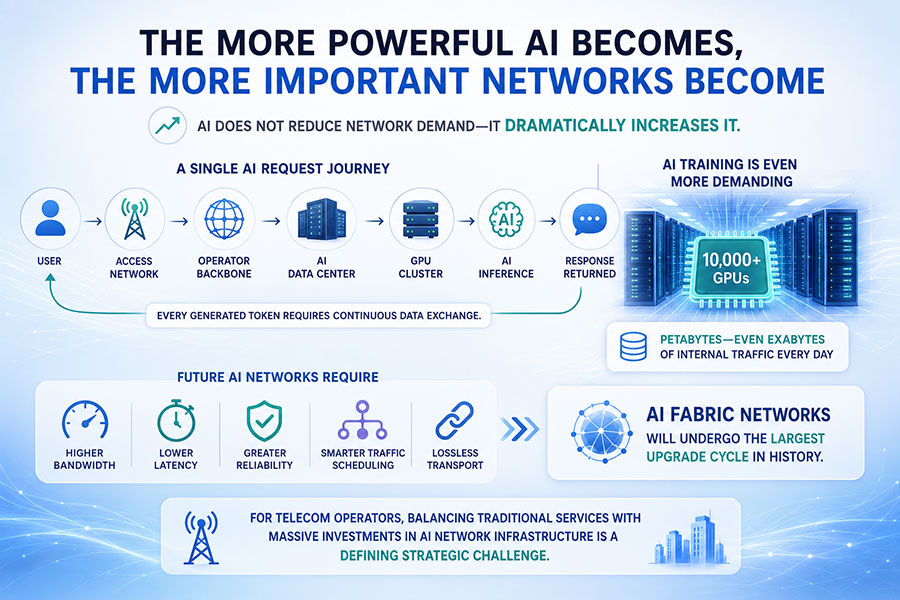
Contrary to popular belief, AI does not reduce network demand—it dramatically increases it.
A single ChatGPT request typically involves:
User
   ↓
Access Network
   ↓
Operator Backbone
   ↓
AI Data Center
   ↓
GPU Cluster
   ↓
AI Inference
   ↓
Response Returned
Every generated token requires continuous data exchange.
AI training is even more demanding.
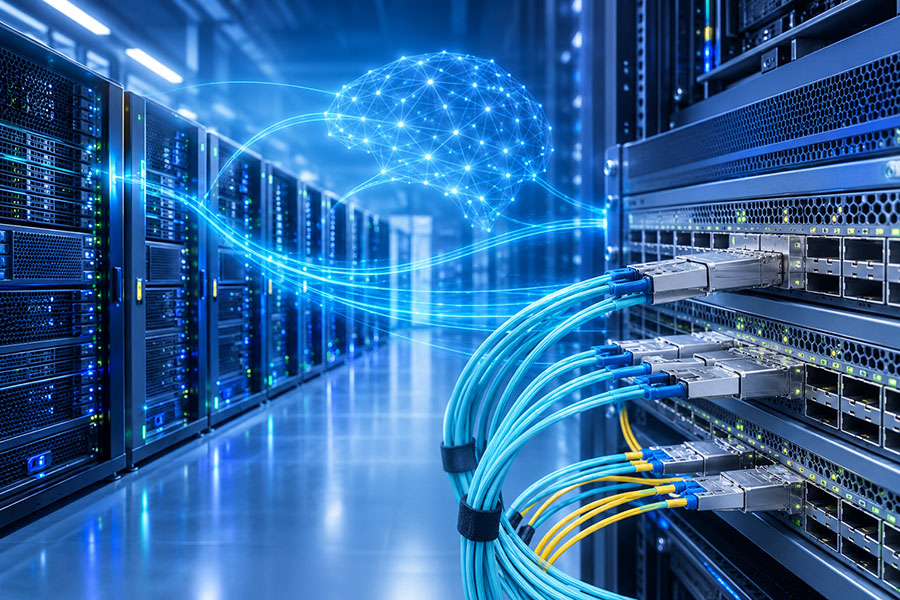
A hyperscale GPU cluster containing over 10,000 GPUs may generate petabytes—or even exabytes—of internal network traffic every day.
As AI adoption accelerates, future networks will require:
Higher bandwidth
Lower latency
Greater reliability
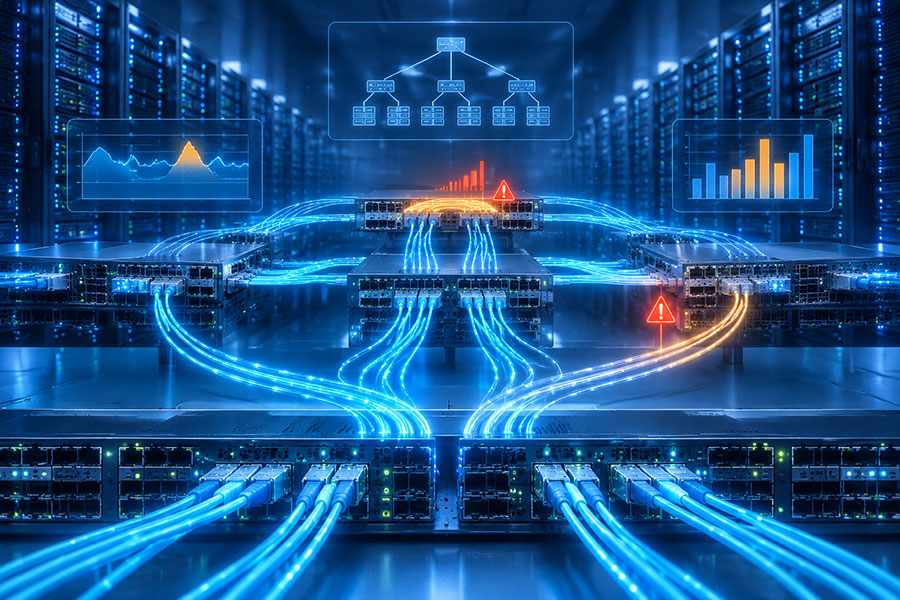
Smarter traffic scheduling
Lossless transport
Over the next several years, AI Fabric networks will undergo their largest upgrade cycle in history.
For telecom operators, balancing traditional telecommunications services with massive investments in AI networking infrastructure will become one of the industry's greatest strategic challenges.
4. What Core Assets Do Telecom Operators Still Possess?
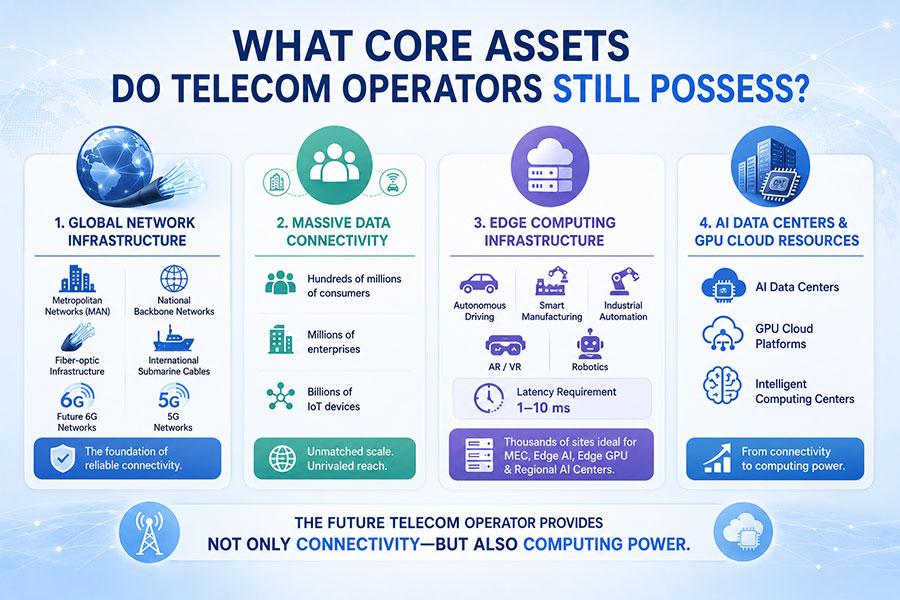
Although Internet companies dominate software and AI companies lead model development, telecom operators still possess strategic assets that are difficult to replicate.
Global Network Infrastructure
Operators control:
Metropolitan Area Networks (MAN)
National backbone networks
International submarine cable systems
Fiber-optic infrastructure
5G networks
Future 6G networks
Regardless of how advanced AI becomes, it still depends on reliable communication networks.
Massive Data Connectivity
Telecom operators connect:
Hundreds of millions of consumers
Millions of enterprises
Billions of IoT devices
Future autonomous vehicles, industrial robots, drones, and smart cities will all rely on operator-managed connectivity.
No other industry possesses such extensive network reach.
Edge Computing Infrastructure
Future AI inference will increasingly occur at the edge rather than exclusively in centralized cloud data centers.
Applications including:
Autonomous driving
Smart manufacturing
Industrial automation
AR/VR
Robotics
require latency between 1–10 milliseconds.
Telecom operators already operate thousands of distributed facilities, making them ideal locations for:
Multi-access Edge Computing (MEC)
Edge AI
Edge GPU clusters
Regional AI data centers
AI Data Centers and GPU Cloud Resources
Operators worldwide are accelerating investments in:
AI Data Centers
GPU Cloud platforms
Intelligent Computing Centers
Major operators including China Mobile, China Telecom, China Unicom, and international telecom providers are building hyperscale GPU clusters.
The future telecom operator will provide not only connectivity—but also computing power.
5. The Greatest Opportunity: Becoming an AI Infrastructure Provider
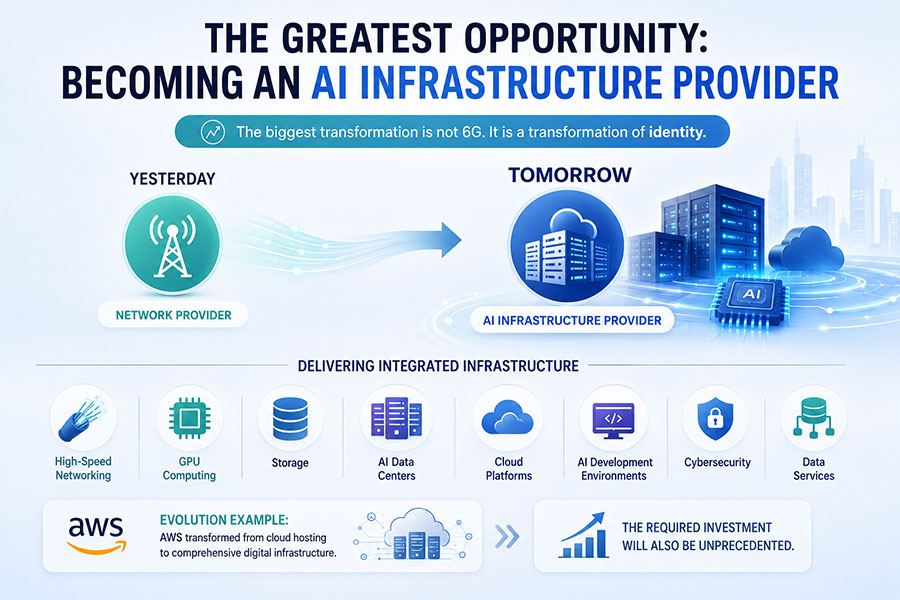
The biggest transformation is not 6G.
It is a transformation of identity.
Yesterday:
Network Provider
Tomorrow:
AI Infrastructure Provider
Instead of selling only connectivity, operators will deliver integrated infrastructure that combines:
High-speed networking
GPU computing
Storage
AI data centers
Cloud platforms
AI development environments
Cybersecurity
Data services
This evolution resembles the successful transformation of AWS from cloud hosting into comprehensive digital infrastructure.
However, the required investment will also be unprecedented.
6. Five Strategic Directions for Telecom Operators
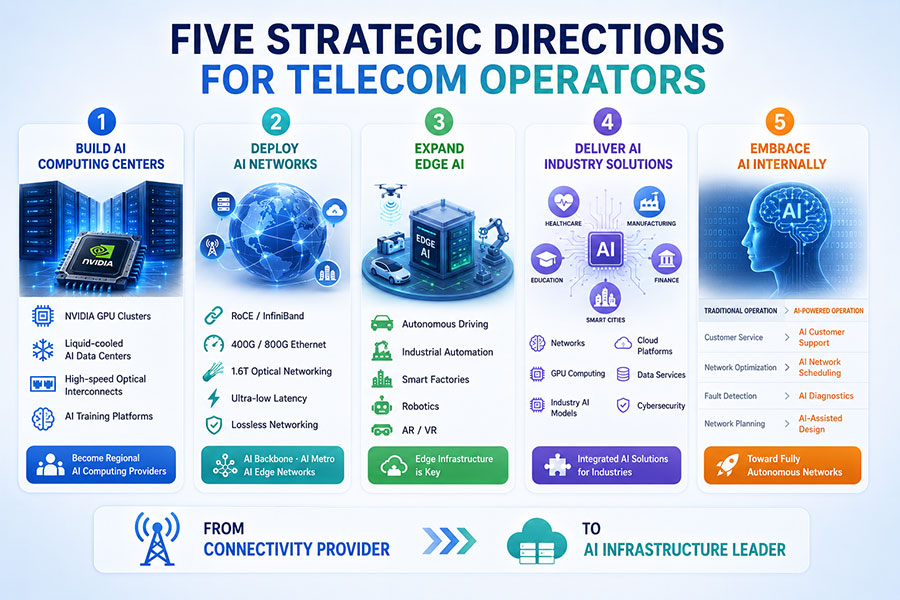
6.1 Build AI Computing Centers
Future competition will not be determined by the number of cellular towers.
It will depend on who owns the largest AI computing infrastructure.
Key investment areas include:
NVIDIA GPU clusters
Liquid-cooled AI data centers
High-speed optical interconnects
AI training platforms
Operators may become regional AI computing providers.
6.2 Deploy AI Networks
AI workloads differ significantly from conventional Internet traffic.
Modern AI infrastructure requires:
RoCE
InfiniBand
400G Ethernet
800G Ethernet
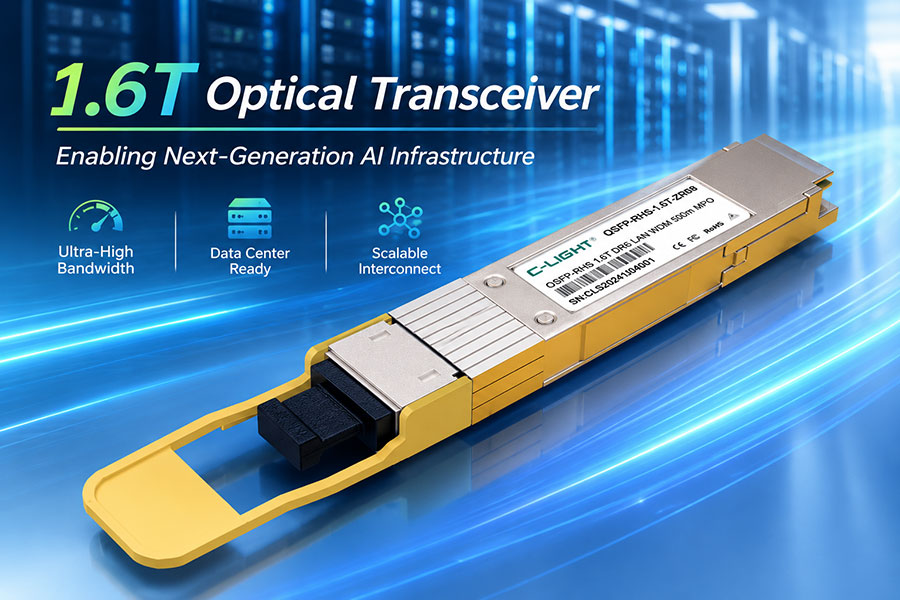
1.6T Optical Networking
Ultra-low latency
Lossless networking
Operators will gradually deploy AI backbone networks, AI metro networks, and AI edge networks.
6.3 Expand Edge AI
Many AI applications cannot tolerate cloud latency.
Examples include:
Autonomous driving
Industrial automation
Smart factories
Robotics
AR/VR
Edge computing infrastructure will regain strategic importance.
6.4 Deliver AI Industry Solutions
Future telecom services will extend beyond connectivity.
Operators can provide integrated AI solutions for:
Healthcare
Manufacturing
Education
Finance
Smart cities
These solutions combine:
Networks
GPU computing
Industry-specific AI models
Cloud platforms
Data services
Cybersecurity
6.5 Embrace AI Internally
AI will reshape telecom operations themselves.
Examples include:
| Traditional Operation | AI-Powered Operation |
|---|---|
| Customer Service | AI Customer Support |
| Network Optimization | AI Network Scheduling |
| Fault Detection | AI Diagnostics |
| Network Planning | AI-Assisted Design |
Ultimately, operators will evolve toward fully Autonomous Networks.
7. Optical Communications Will Be One of the Biggest Beneficiaries
AI infrastructure dramatically increases demand for optical networking.
Future telecom networks will require:
More 400G QSFP112 LR4/FR4/DR4/SR4 Optical Transceiver丨C-LIGHT
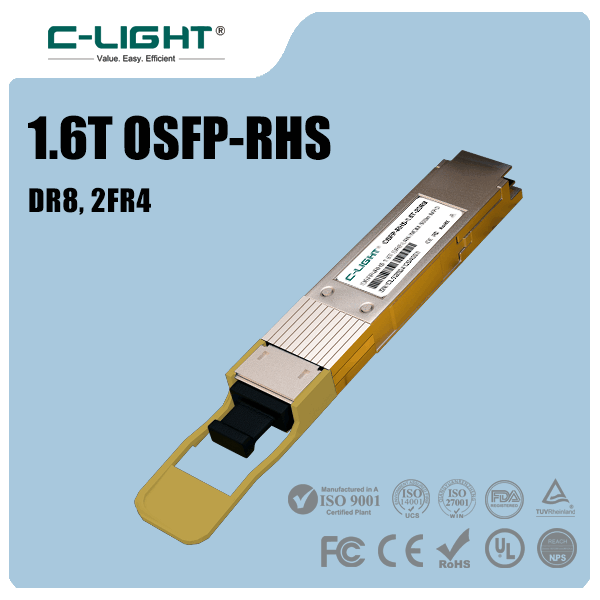
More 1.6T OSFP-RHS DR8 & 2FR4 Optical Transceiver | AI Data Center丨C-LIGHT
More DCO 800G/400G/200G/100G DWDM Coherent Transceiver丨C-LIGHT
More Data Center Interconnection (DCI)
More metro optical network upgrades
As a result, the optical communications industry is entering another growth cycle, including:
Optical Transceivers Professional Fiber Optic Products Manufacturer丨C-LIGHT
Active Optical Cables (AOC) 800G/400G/200G/100G/50G/40G/25G/10G AOC丨C-LIGHT
Direct Attach Copper (DAC) 800G/400G/200G/100G/50G/40G/25G/10G DAC Cable丨C-LIGHT
Active Electrical Cables (AEC) 800G AEC QSFP-DD/OSFP cable丨C-LIGHT
DWDM systems DWDM MUX,DWDM DeMUX丨C-LIGHT
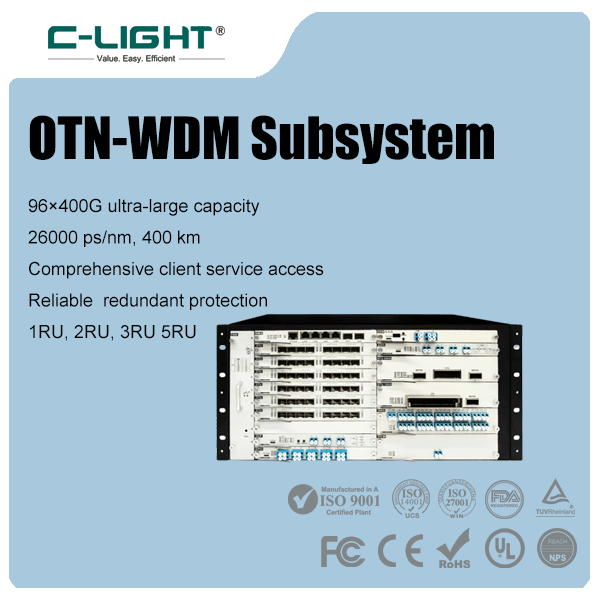
Optical Transport Networks (OTN) WDM/Wavelength Division Multiplexing 丨OTN/Optical Transport Network丨C-LIGHT
ROADM
Co-Packaged Optics (CPO)
Silicon Photonics
For high-speed optical interconnect solution providers such as C-LIGHT, telecom operators' AI network upgrades are expected to generate sustained demand for:
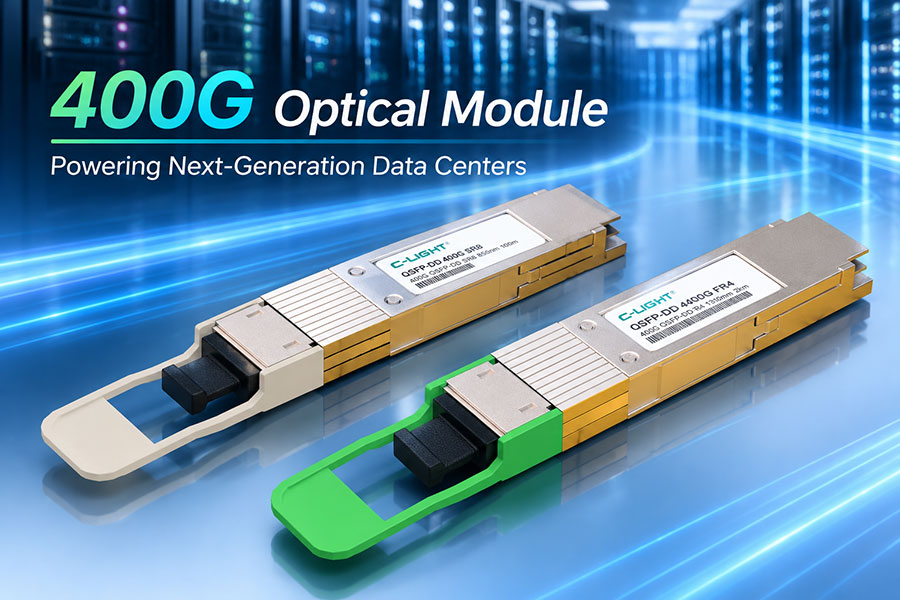
400G Optical Transceivers
800G Optical Transceivers
AI Cluster Optical Networks
Data Center Interconnection (DCI)
High-speed optical cabling solutions
8. Who Will Be Telecom Operators' Real Competitors?
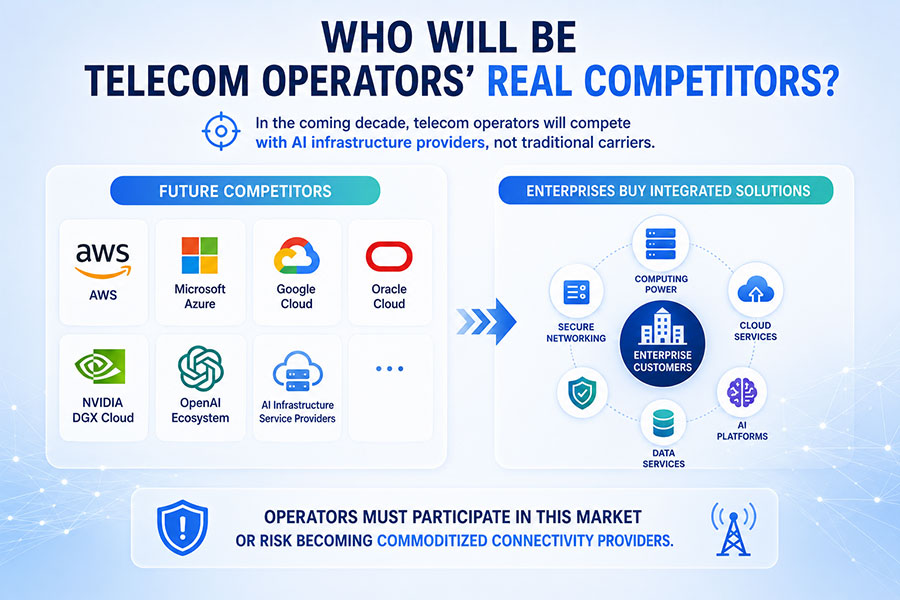
In the coming decade, telecom operators will increasingly compete with AI infrastructure providers rather than traditional carriers.
Their future competitors include:
AWS
Microsoft Azure
Google Cloud
Oracle Cloud
NVIDIA DGX Cloud
OpenAI ecosystem
AI infrastructure service providers
Enterprise customers will purchase integrated solutions—not merely bandwidth.
These solutions include:
Computing power
Cloud services
AI platforms
Data services
Secure networking
Operators must participate in this market or risk becoming commoditized connectivity providers.
9. Conclusion
AI will not eliminate telecom operators.
However, it will eliminate outdated telecom business models.
The greatest risk facing operators is not technological disruption—it is continuing to rely on revenue generated solely from bandwidth and connectivity.
Over the next decade, the world's most competitive telecom companies will evolve into comprehensive digital infrastructure providers integrating:
Networks
GPU computing
AI platforms
Data centers
Cloud services
Edge computing
Intelligent data services
The communications industry is moving from connecting people to connecting intelligence.
Future network value will no longer be defined only by bandwidth.
Instead, it will be determined by a network's ability to support AI training, AI inference, real-time collaboration, and digital transformation across every industry.
For telecom operators, this represents both the greatest challenge and the greatest strategic opportunity in decades.
Those that successfully transform from Telecom Operators into AI Infrastructure Providers will be well positioned to become the foundational infrastructure companies of the AI economy.
10. Frequently Asked Questions (FAQ)
Q1. What is a Hyperscale GPU Cluster?
Answer: A hyperscale GPU cluster is a large-scale computing system with thousands to hundreds of thousands of GPUs interconnected via high-speed networks, designed for AI training, large language models (LLMs), and HPC workloads.
Q2. Why do AI data centers require thousands of GPUs?
Answer: Large AI models demand enormous compute resources. More GPUs enable parallel processing, reducing training time and improving model performance.
Q3. Why is AI Fabric important for GPU clusters?
Answer: AI Fabric enables high-bandwidth, low-latency GPU-to-GPU communication, which directly impacts training efficiency and cluster utilization.
Q4. What is the difference between InfiniBand and RoCE?
Answer: InfiniBand is a specialized high-performance networking technology widely used in HPC and AI supercomputers. RoCE (RDMA over Converged Ethernet) provides RDMA over standard Ethernet with broader ecosystem compatibility.
Q5. Why are 800G optical modules becoming popular in AI data centers?
Answer: They deliver higher bandwidth, greater port density, and improved scalability, making them ideal for next-generation AI Fabric networks.
Q6. What role do DAC and AEC cables play in AI GPU clusters?
Answer: DAC (Direct Attach Copper) and AEC (Active Electrical Cable) are used for short-distance, high-speed connections inside racks and between GPU servers and switches, offering low latency and cost-effective connectivity.
Q7. Why does AI data center infrastructure need liquid cooling?
Answer: Modern AI GPUs generate significantly more heat than traditional servers. Liquid cooling improves thermal management, supports higher rack density, and reduces energy consumption.
Q8. What products does C-LIGHT provide for AI data centers?
Answer: C-LIGHT offers a comprehensive high-speed interconnect portfolio:
1.6T OSFP DAC/AEC
800G OSFP DAC/AEC
400G DAC/AEC
400G QSFP-DD ER4
400G QSFP-DD DCO
Liquid immersion optical transceivers
These products support AI GPU clusters, HPC networks, and hyperscale data centers.
Q9. Will 1.6T optical interconnect replace 800G?
Answer: No. 800G will remain widely deployed, while 1.6T will gradually be adopted in next-generation AI clusters requiring higher bandwidth.
Q10. What is the future of AI data center networking?
Answer: Future AI data centers will evolve toward:
1.6T / 3.2T networking
Larger GPU clusters
Advanced AI Fabric
Liquid cooling
High-density optical interconnects
High-speed interconnect technology will be a key competitive advantage in future AI compute infrastructure.
 >
>

 >
>
 >
>
 >
>
 >
>
 >
>
 >
>
 >
>