TEL:+86 132 6656 7067




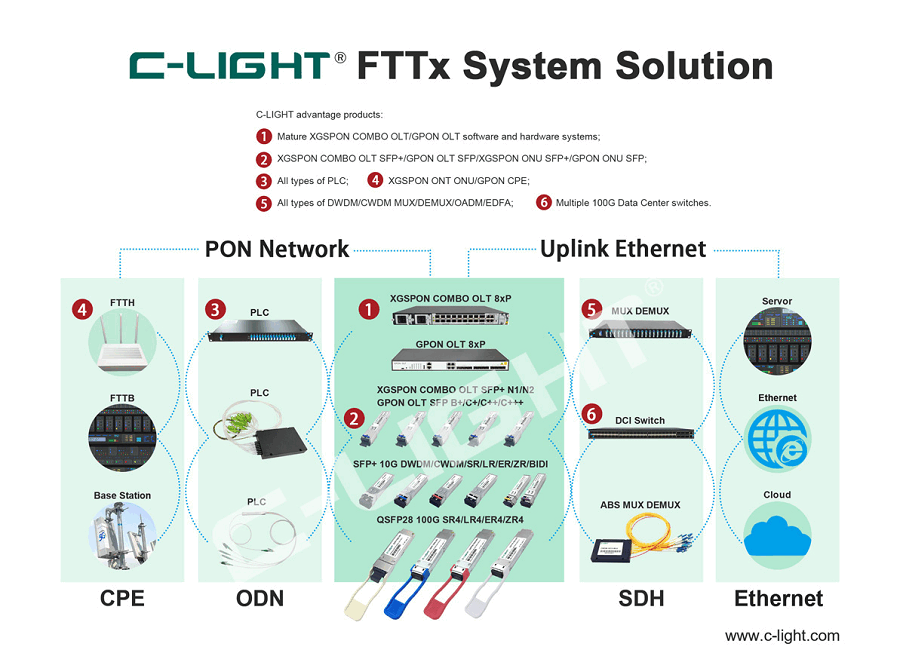
C-LIGHT FTTx (Fiber To The X) System Solution
C-LlGHT advantage products:
Mature XGSPON COMBO OLT/GPON OLT software and hardware systems;
XGSPON COMBO OLT SFP+/GPON OLT SFP/XGSPON ONU SFP+/GPON ONU SFP.
All types of PLC;
XGSPON ONT ONUIGPON CPE:
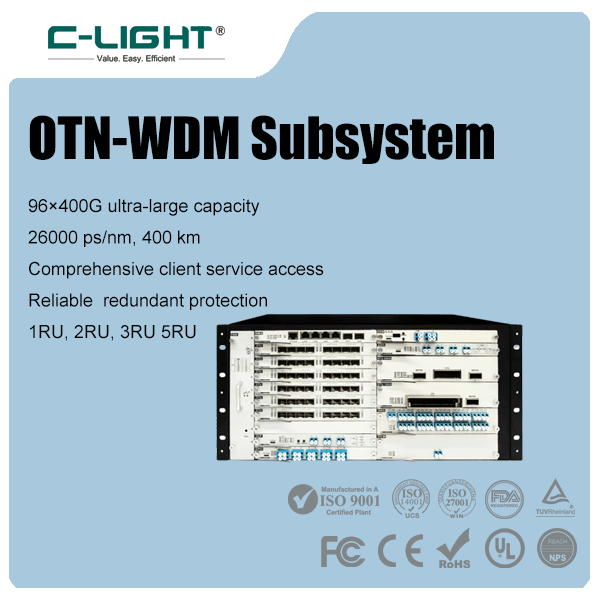
All types of DWDM/CWDM MUXDEMUXOADM/EDFA;
Multiple 100G Data Center switches.
FTTx System Solution FAQ
Q1: What is an FTTx system solution?
Answer: FTTx (Fiber To The x) is a fiber optic access network solution designed to deliver high-speed broadband services by extending optical fiber closer to end users.
The "x" represents different deployment scenarios:
FTTH (Fiber To The Home)
Fiber directly reaches residential users.FTTB (Fiber To The Building)
Fiber reaches buildings and distributes connectivity internally.FTTC (Fiber To The Curb)
Fiber reaches a nearby cabinet or distribution point.FTTA (Fiber To The Antenna)
Fiber supports wireless communication infrastructure.
FTTx solutions provide high bandwidth, low latency, and scalable connectivity for modern broadband networks.
Q2: Why are FTTx systems important for modern broadband networks?
Answer: The rapid growth of cloud services, video streaming, smart devices, and enterprise applications has increased demand for higher bandwidth.
FTTx systems help operators achieve:
Higher network capacity
Longer transmission distance
Better fiber utilization
Lower maintenance cost
Future network scalability
Compared with traditional copper-based access networks, fiber-based FTTx provides better performance and supports next-generation broadband services.
Q3: How does an FTTx network architecture work?
Answer: An FTTx network usually consists of three major sections:
1. Central Office (CO)
The service provider side includes:
OLT (Optical Line Terminal)
Network management systems
Optical transport equipment
2. Optical Distribution Network (ODN)
The passive optical distribution section includes:
Optical fiber cables
PLC splitters
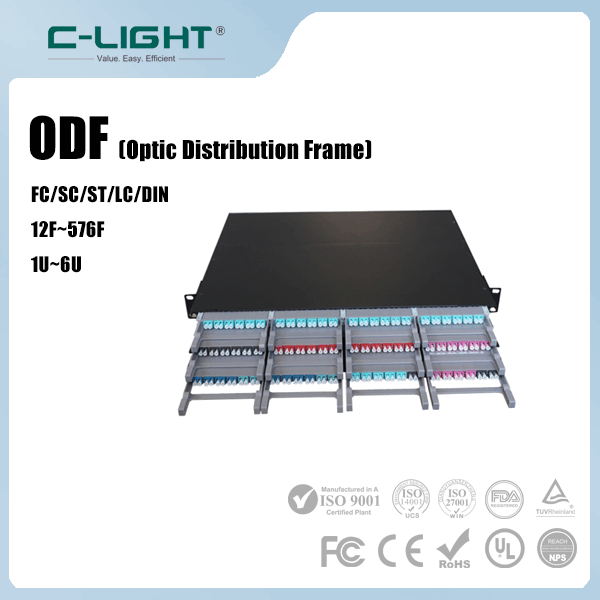
Fiber distribution boxes
Fiber termination equipment
3. Customer Premises
The user side includes:
ONU (Optical Network Unit)
ONT (Optical Network Terminal)
Home gateway equipment
This architecture enables point-to-multipoint optical communication between operators and users.
Q4: What are the main components of an FTTx system?
Answer: A complete FTTx system includes several key components:
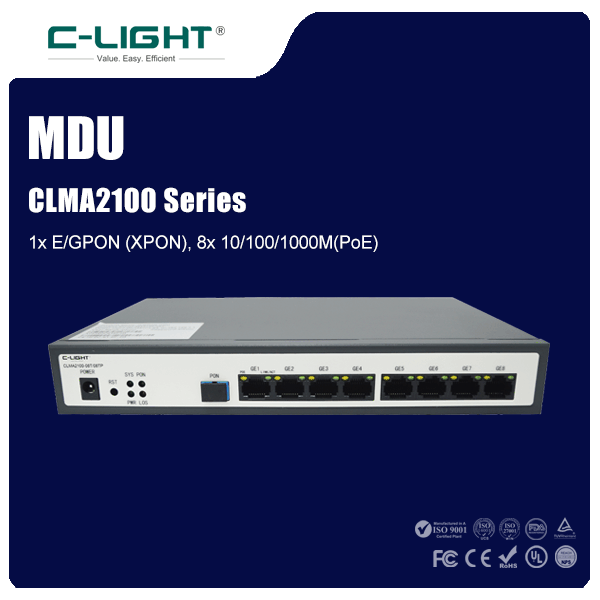
OLT (Optical Line Terminal)
Located at the service provider side and manages multiple optical connections.
ONU/ONT (Optical Network Unit / Optical Network Terminal)
Provides optical-to-electrical signal conversion at the user side.
Optical Splitter
Distributes optical signals from one fiber to multiple users.
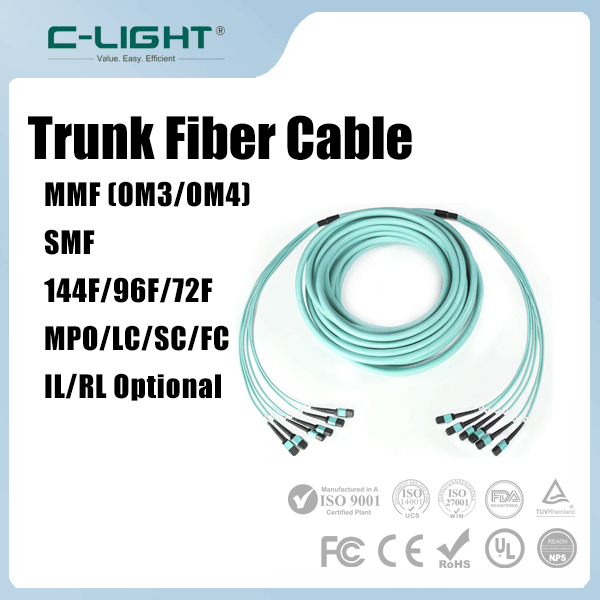
Fiber Cabling System
Includes:
Fiber cables
Patch cords
Fiber termination boxes
Distribution components
Together, these components create a complete fiber access network.
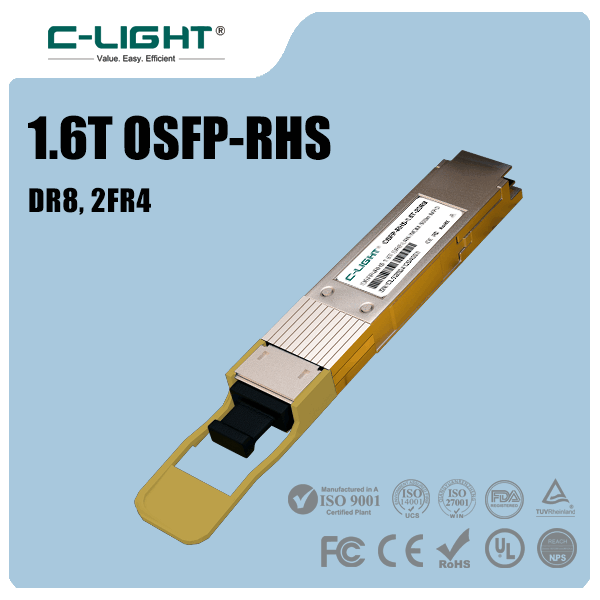
Q5: What role do optical modules play in FTTx systems?
Answer: Optical modules are critical components that enable communication between OLT and ONU devices.
They perform:
Electrical-to-optical conversion
Optical-to-electrical conversion
High-speed data transmission
Network signal management
FTTx optical modules are available for different PON standards, including:
GPON
EPON
XG-PON
XGS-PON
25G PON
C-LIGHT provides PON optical module solutions supporting different transmission distances, protocols, and application requirements.
Q6: What is the difference between GPON, EPON, and XGS-PON in FTTx networks?
Answer: GPON, EPON, and XGS-PON are different PON technologies used in fiber access networks.
| Technology | Main Feature | Typical Application |
|---|---|---|
| GPON | Mature broadband access technology | Residential FTTH |
| EPON | Ethernet-based PON technology | Broadband access networks |
| XGS-PON | Symmetric 10Gbps capacity | Next-generation broadband |
The selection depends on:
Required bandwidth
Existing infrastructure
Operator network strategy
Future upgrade requirements
Higher-speed PON technologies provide better support for cloud services, enterprise applications, and advanced broadband services.
Q7: How do you choose the right FTTx system solution?
Answer: Selecting an FTTx solution requires evaluating several factors:
1. Network Type
Determine the target application:
FTTH
FTTB
FTTC
FTTA
2. Bandwidth Requirement
Choose suitable technologies:
GPON
EPON
XG-PON
XGS-PON
3. Transmission Distance
Consider:
Fiber length
Optical power budget
Network topology
4. Equipment Compatibility
Ensure compatibility between:
OLT equipment
ONU devices
Optical modules
Management systems
A properly selected FTTx solution improves network reliability and reduces long-term deployment costs.
Q8: What is the future development trend of FTTx networks?
Answer: FTTx networks will continue evolving as broadband requirements increase.
Future trends include:
Higher-speed PON technologies
XGS-PON and 25G PON deployment
FTTR (Fiber To The Room)
Smart home optical networks
5G and edge computing support
Fiber access networks will remain a key foundation for digital infrastructure, supporting residential broadband, enterprise connectivity, and next-generation communication services.
 >
>

 >
>
 >
>
 >
>
 >
>
 >
>
 >
>
 >
>