TEL:+86 132 6656 7067





As cloud computing, artificial intelligence (AI), and high-performance computing (HPC) continue to scale rapidly, data centers are under increasing pressure to deliver higher bandwidth, lower latency, and improved energy efficiency. Optical transceivers—critical components that convert electrical signals into optical signals and vice versa—are at the heart of this transformation. Their design and manufacturing processes are evolving to meet the demands of next-generation networks such as 400G, 800G, and beyond.
1. Evolution Toward Higher Speeds and Integration
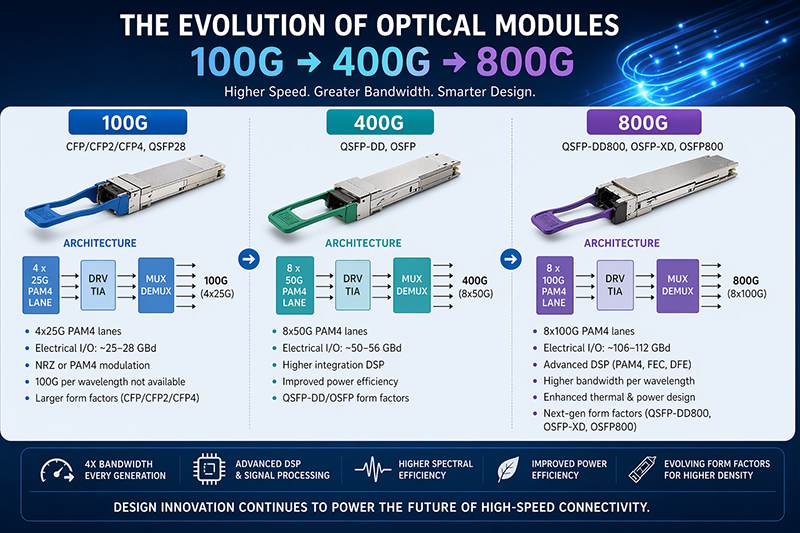
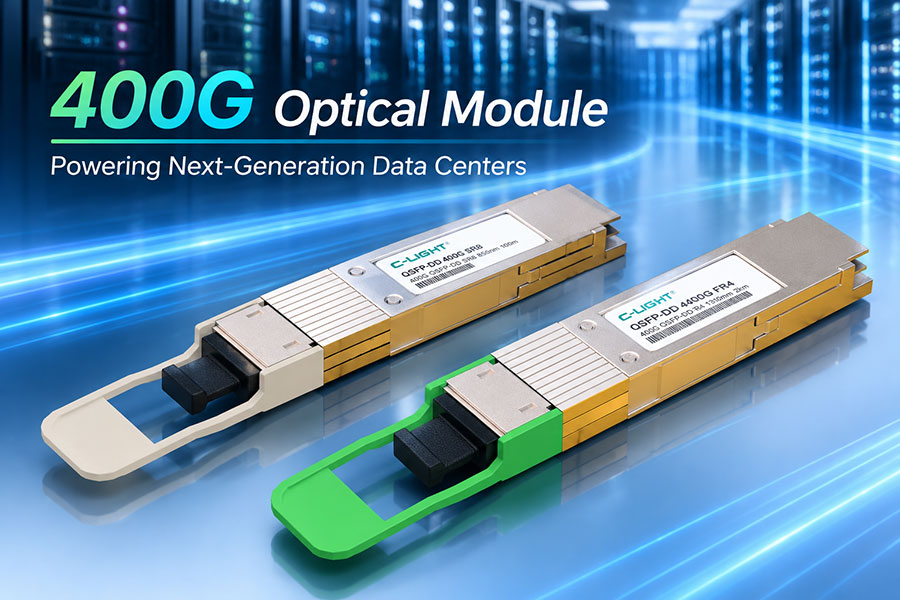
The transition from 100G to 400G and now to 800G optical modules has driven major innovations in design architecture. Key trends include:
Higher lane rates: Moving from 25G/lane to 50G, 100G PAM4 signaling.
Advanced packaging: Adoption of QSFP-DD and OSFP form factors to support higher density.
Integration of DSPs: Digital Signal Processors are increasingly embedded for signal integrity and error correction.
This evolution enables data centers to scale bandwidth while maintaining manageable power consumption and port density.
2. Silicon Photonics and Co-Packaged Optics (CPO)

One of the most transformative directions is the adoption of silicon photonics technology. By integrating optical components onto silicon substrates, manufacturers can achieve:
Lower cost through CMOS-compatible processes
Higher integration density
Improved thermal performance
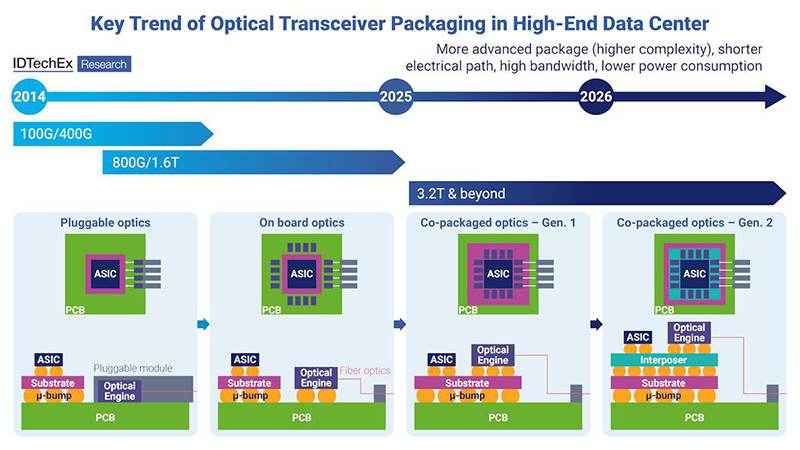
In parallel, Co-Packaged Optics (CPO) is emerging as a solution to overcome the limitations of pluggable optics. By placing optical engines closer to switching ASICs, CPO reduces electrical trace length, thereby lowering power consumption and improving signal integrity.
3. Advanced Manufacturing and Automation
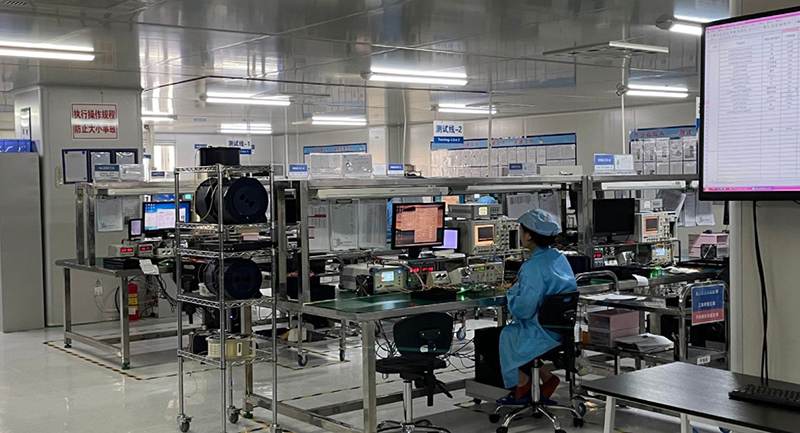
Manufacturing processes for optical modules are becoming increasingly sophisticated:
Automated fiber alignment: High-precision robotics ensure micron-level alignment accuracy.
Laser welding and sealing: Improves reliability and reduces manual variability.
AI-driven inspection: Machine vision systems detect defects in real time.
High-volume manufacturing (HVM): Scalable production lines reduce cost per unit.
Automation not only improves yield and consistency but also supports the massive demand from hyperscale data centers.
4. Power Efficiency and Thermal Management
Power consumption is a critical constraint in modern data centers. Design improvements focus on:
Low-power DSP and driver ICs
Optimized thermal design (heat sinks, airflow management)
Energy-efficient modulation formats such as PAM4
Reducing power per bit is essential for sustainable data center operations and cost control.
5. Reliability, Testing, and Standardization
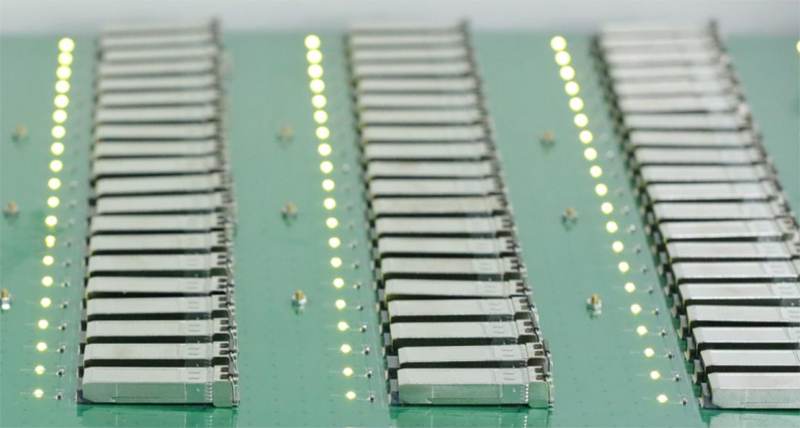
As data centers operate 24/7, reliability is non-negotiable. Key practices include:
Rigorous environmental testing (temperature, humidity, vibration)
Bit Error Rate (BER) testing for signal quality
Compliance with industry standards such as IEEE and MSA specifications
Standardization ensures interoperability across vendors and simplifies deployment.
6. Future Outlook: 1.6T and Beyond
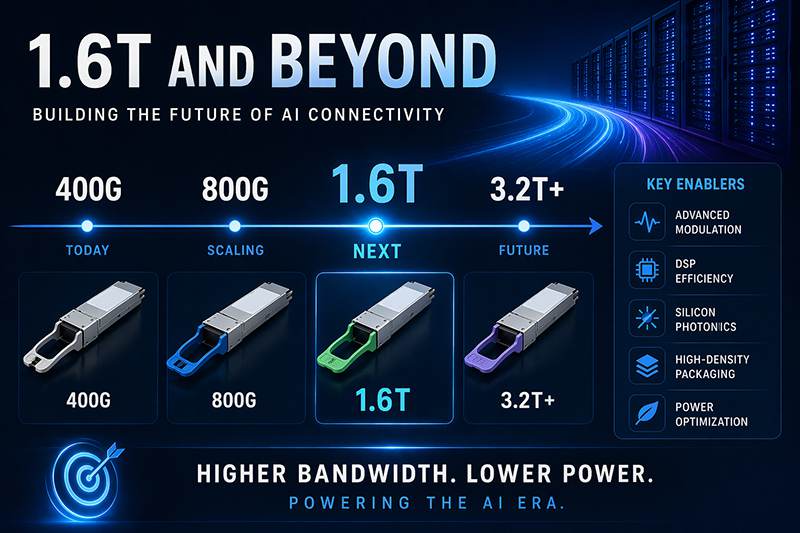
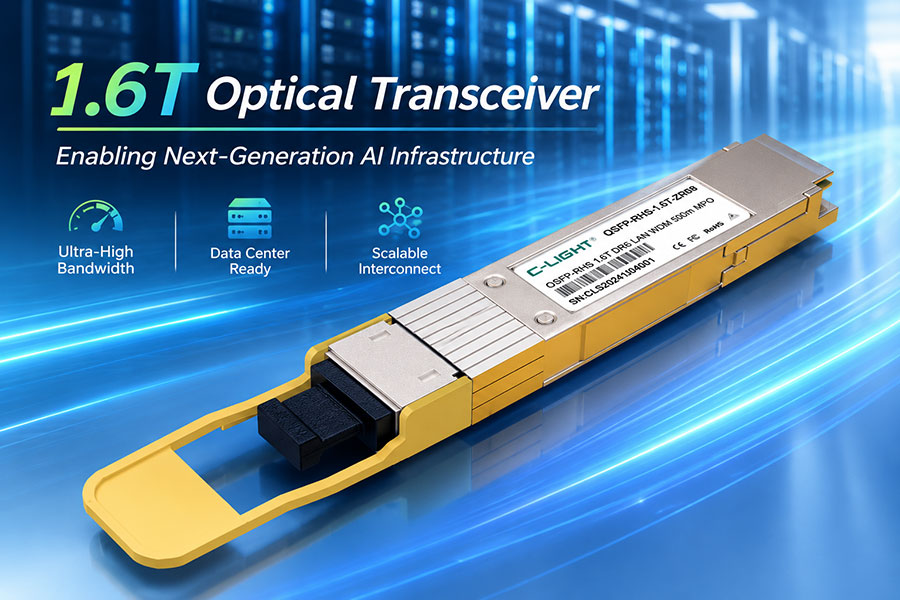
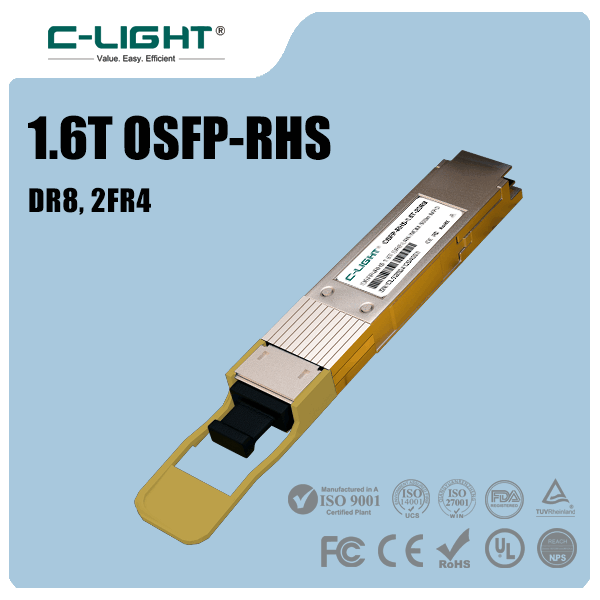
Looking ahead, the industry is moving toward 1.6T optical modules and even higher capacities. Future development directions include:
Higher-order modulation techniques
Advanced materials and packaging technologies
AI-assisted design and optimization
Deeper integration of optics and electronics
These innovations will support the exponential growth of AI workloads and data traffic.
The design and manufacturing of data center optical transceivers are undergoing rapid transformation. From silicon photonics and co-packaged optics to advanced automation and energy-efficient design, each innovation is driven by the need for higher performance and scalability. As the industry moves toward terabit-level transmission, continuous breakthroughs in both design and manufacturing will be essential to sustain the evolution of modern data centers.
 >
>

 >
>
 >
>
 >
>
 >
>
 >
>
 >
>
 >
>